
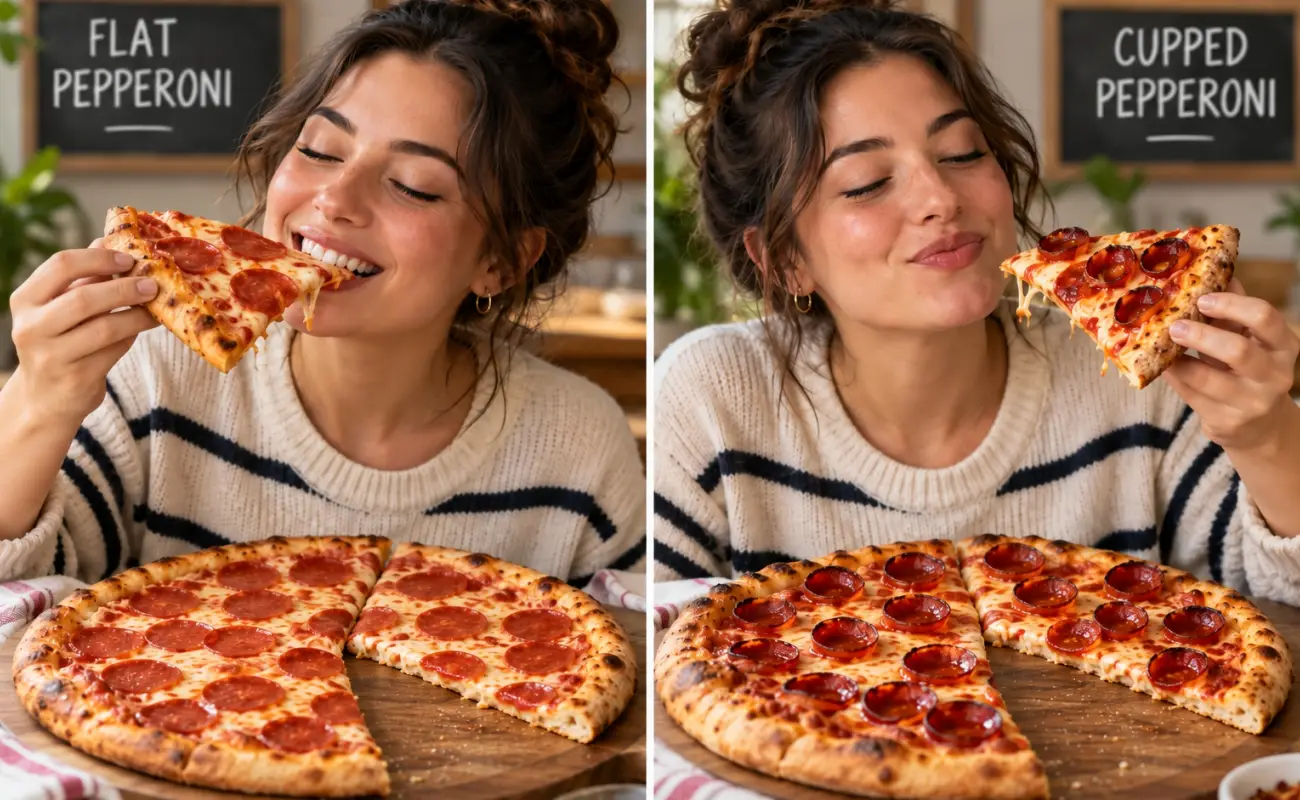
The Delicious Mystery of Curly Pepperoni
Ever pulled a pizza from the oven and noticed that some pepperoni slices lie flat while others curl into tiny, crispy cups? That difference isn’t just a happy accident. Pepperoni curls on pizza because heat causes the meat, its fat, and its casing to contract at different rates. Slice thickness, casing type, and moisture loss all influence whether your pepperoni stays flat or forms those golden-edged cups.
The result? A topping that can turn a familiar pepperoni topping pizza into a fascinating lesson in food science. And if you love a little crunch with every bite, those curls might be your favorite part.
So, Why Does Pepperoni Curl?
Pepperoni has a lot going on beneath its reddish surface. When it hits a hot oven, its structure starts to change, and not every part changes at the same speed.
Here’s what happens:
- The casing matters: Some pepperoni slices have a casing that holds its shape differently from the meat inside. As the slice heats up, the casing and the inner meat can contract unevenly, encouraging the edges to lift.
- Thickness makes a difference: Thicker slices often have more structure to curl into a cup, while thinner slices may crisp up or shrink without forming a pronounced curve. The exact result also depends on how the pepperoni is made.
- Moisture begins to escape: As the pepperoni heats, it loses moisture. This changes the texture and contributes to shrinkage, which can help the slice bend.
- Fat starts to render: Pepperoni releases some of its fat as it cooks. That sizzling fat helps create the rich flavor and can contribute to the crisp, browned edges people love.
The key is uneven contraction. When the top, bottom, center, and outer edges respond differently to heat, the slice can bend rather than remain flat.
That’s the science behind curly pepperoni, and why two pizzas with different pepperoni styles can come out of the oven looking surprisingly different.
Flat Pepperoni vs. Cupped Pepperoni
Pepperoni comes in different styles, and each behaves a little differently in the oven. Neither shape is automatically better; it simply creates a different pizza experience.
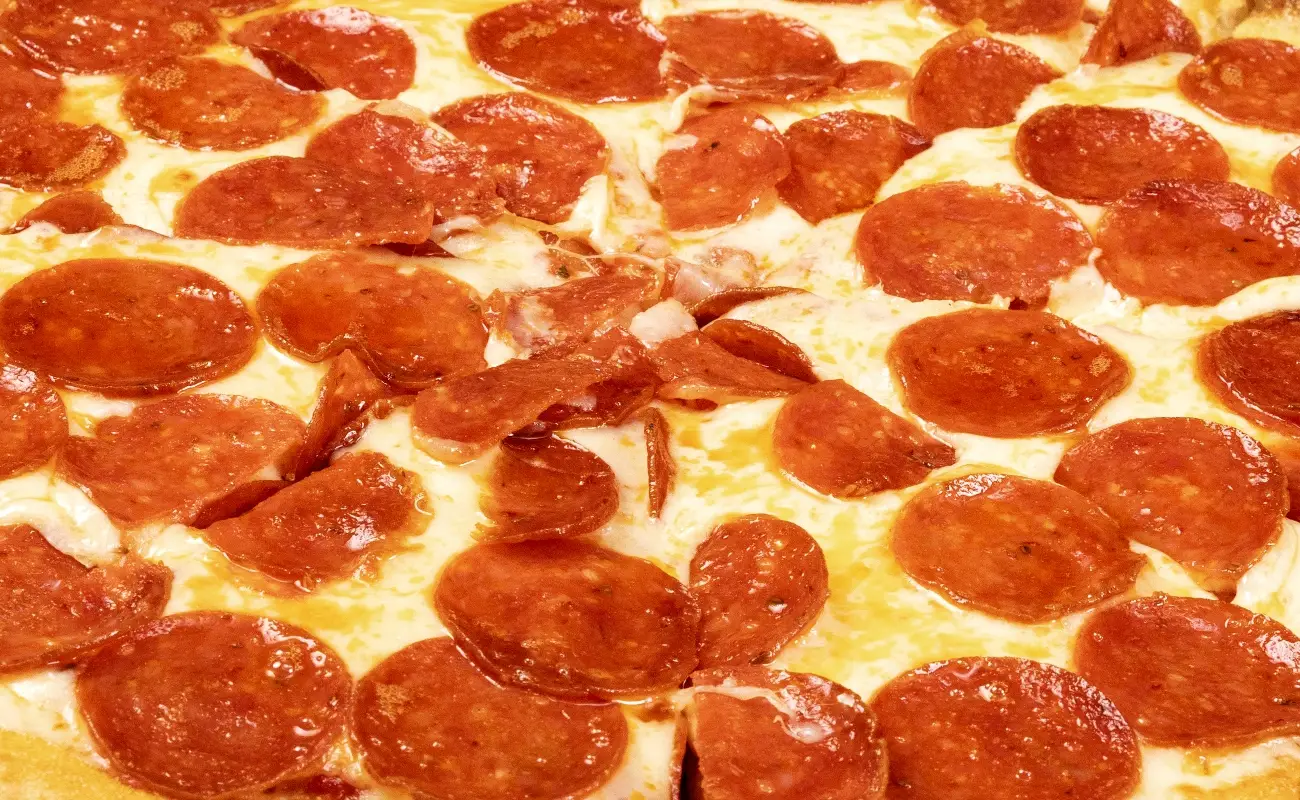
Flat pepperoni
The classic look
Flat slices spread across the cheese and release their fat onto the pizza as they cook. They deliver a familiar, savory bite with a relatively even texture from edge to center.
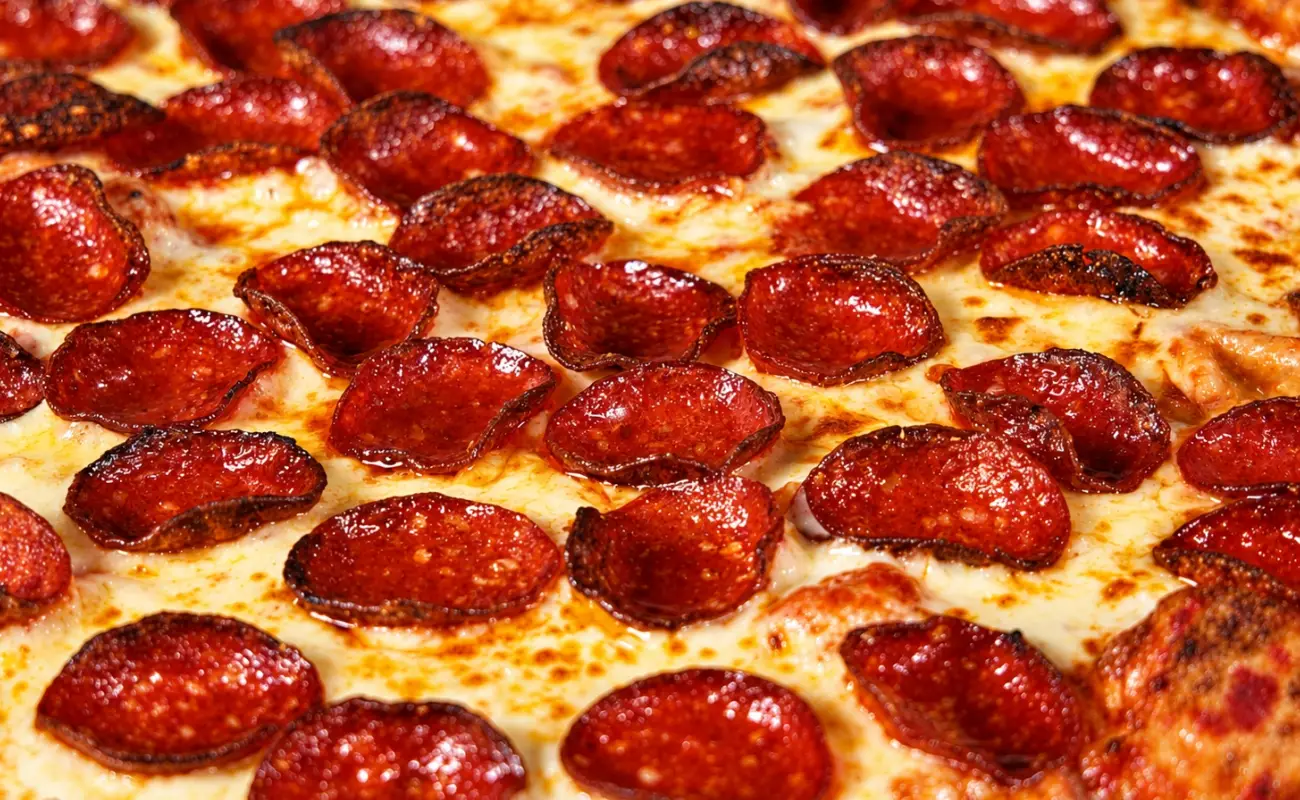
Cupped pepperoni
The crispy little cups
These slices lift at the edges while the centers remain closer to the pizza. The result is a cup-like shape that can hold rendered fat and develop crisp, browned rims.
The difference often starts before the pepperoni even reaches the oven. Its casing, how the sausage was stuffed, and the thickness of each slice all influence how it reacts to heat. Medium-thick slices with suitable casings are generally more likely to form cups than very thin, skinless slices.
So, if you spot pepperoni curls on your next pizza, you’re seeing more than a fun shape. You’re seeing the ingredients and the oven working together.
Why Do the Edges Get So Crispy?
Here’s where the magic gets a little louder, and a lot crunchier.
When pepperoni curls, its raised edges become more exposed to the oven’s heat. Meanwhile, the center may retain more moisture and fat. This difference encourages the edges to brown and crisp while the middle stays more tender.
Three things help create that satisfying texture:
- Direct heat exposure: The lifted edges receive more heat than the portions resting close to the cheese and crust.
- Rendered fat: As the pepperoni heats, its fat melts. Some collects in the curved center, while the surface fat helps the slice sizzle as it cooks.
- Browning: Heat triggers browning reactions that deepen the pepperoni’s color and savory flavor, especially around the edges.
That combination gives a crispy pepperoni pizza its signature contrast: crisp edges, a flavorful center, melted cheese, and a crust with its own texture.
Of course, more curl doesn’t always mean better results. If the edges stay in the oven too long, they can become overly dark or dry. The goal is a satisfying crunch—not a pepperoni slice that tastes like it has been on an extended vacation in the oven.
Does Cupped Pepperoni Taste Different?
Yes, it can, but the biggest difference is often the texture rather than an entirely different flavor.
A cupped pepperoni pizza may deliver a crispier rim and a richer, more concentrated bite. The curved center can hold some rendered fat, giving each slice a slightly different balance of savoriness and texture.
Flat pepperoni, on the other hand, spreads across the pizza and tends to offer a more uniform bite. Its rendered fat can disperse over the cheese, blending into the overall flavor.
Neither style wins every time. It depends on what you enjoy:
- Love a crunch? You may prefer the crisp edges of curled pepperoni.
- Prefer an even bite? Flat slices may suit you better.
- Enjoy a little of both? Look for a pizza where the pepperoni, cheese, sauce, and crust complement one another.
When considering pepperoni pizza toppings, remember that the topping’s shape is only one part of the experience. The pepperoni’s seasoning, the amount used, and how thoroughly the pizza bakes all influence the final bite.
And if you’ve ever wondered whether the largest pepperoni slices will curl the most, size alone won’t settle the question. Diameter, thickness, casing, and the way each slice responds to heat all matter.
What Makes a Great Pepperoni Pizza?
A memorable pepperoni pizza isn’t just a mountain of meat on a crust. It’s a balance of flavors and textures, with every ingredient playing its part.
Here’s what to look for when choosing your next pepperoni topping pizza.
1. A crust that holds its own
The crust should support the toppings without becoming soggy or overpowering the rest of the pizza. Whether you prefer thin crust or a thicker base, a good bake gives every bite structure.
2. Sauce that complements the pepperoni
A well-balanced sauce adds tang and depth. Too much can overwhelm the other ingredients, while too little may leave the pizza tasting one-dimensional.
3. Cheese that brings everything together
Melted cheese connects the crust, sauce, and pepperoni. The right balance helps the toppings feel integrated rather than piled on.
4. Pepperoni with plenty of flavor
Pepperoni brings its characteristic savory, smoky, and spiced notes. The ideal amount gives you that familiar flavor in every bite without making the pizza feel too heavy.
5. A bake that gets the details right
Heat transforms the pizza. It melts the cheese, cooks the pepperoni, and develops the crust’s texture. If the timing is right, the result is a delicious mix of tender, crisp, rich, and tangy.
When exploring toppings for pepperoni pizza, you can also consider complementary additions such as mushrooms, onions, or peppers. Still, a classic pepperoni pizza needs no complicated extras to make an impression.
And when someone asks for the best pizza topping with pepperoni, the answer depends on personal taste. Some people enjoy the simplicity of pepperoni and cheese; others like the extra flavor and texture that additional toppings bring.
The best combination is the one that makes you want another slice.
Meet Pizzawala’s Pepperoni Pizza
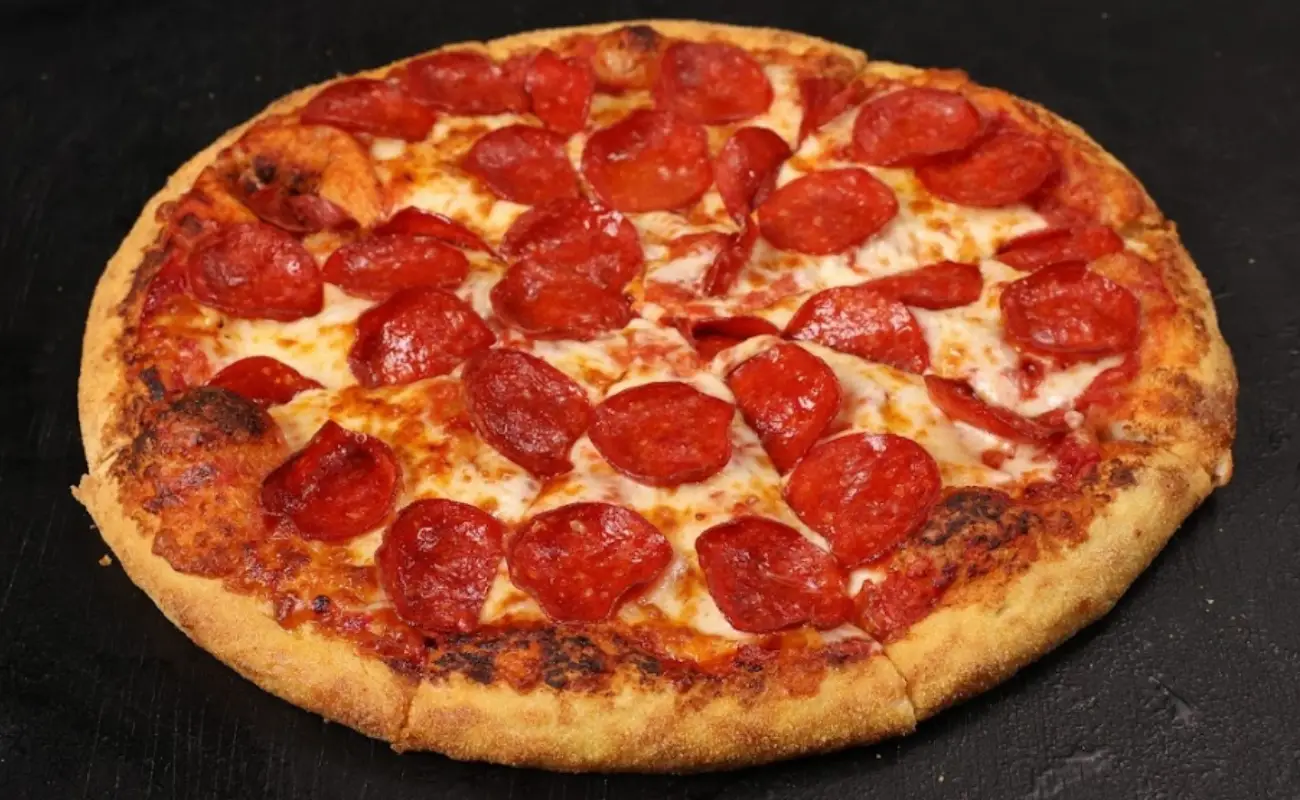
Sometimes, all that food science leads to one very simple conclusion: it’s time for pizza.
At Pizzawala’s, the Pepperoni Icon celebrates the classic combination of savory pepperoni, melted cheese, and freshly baked pizza. The pepperoni pizza highlights fresh dough, generous toppings, and a bake designed to bring the crust, cheese, and pepperoni together.
Want to see what’s on the menu? Explore the pizzawalas.com page for product details and ordering options.
Whether you’re searching for pepperoni toppings, curious about a curled pepperoni pizza, or simply craving a classic, start with a pizza that puts flavor first. The exact appearance of the pepperoni can vary with the product and baking process, so don’t assume every slice will curl into a cup.
Hungry after all that science? Explore Pizzawala’s Pepperoni Icon and find your nearest participating location on pizzawalas.com. Check your local menu for availability, then order your next pepperoni pizza and let the oven do what it does best.
FAQs
Why does pepperoni curl when cooked?
Pepperoni curls because heat causes its casing and meat to contract at different rates. Slice thickness, the way the sausage is made, and uneven heating also affect how much the edges lift.
What is cupped pepperoni?
Cupped pepperoni is pepperoni that bends upward at the edges as it cooks, creating a small cup. The raised rim can become crisp and browned, while the center may hold some rendered fat.
Why does some pepperoni stay flat?
Some pepperoni is made and sliced to retain a flatter shape. Thin slices, different casing types, and variations in the sausage’s structure can reduce curling. The oven and the pizza’s toppings also affect how the slices cook.
Is cupped pepperoni crispier?
Often, yes. The raised edges of cupped pepperoni receive more direct heat and can become crispier than the center. However, the final texture depends on the pepperoni itself and how long the pizza bakes.
Does pepperoni shrink when cooked?
Yes. Pepperoni can shrink as it heats because it loses moisture and releases fat. The amount of shrinkage depends on the product and cooking conditions.
What makes a good pepperoni pizza?
A good pepperoni pizza balances flavorful pepperoni, melted cheese, complementary sauce, and a well-baked crust. The right amount of each ingredient matters more than simply adding more toppings.
Where can I find Pizzawala’s pepperoni pizza?
You can explore pizzawalas.com to check participating locations in Las Vegas, Columbus, Des Plaines, Canton, and Kalamazoo. Check the local menu for current availability and ordering options.
Editorial note: Pepperoni curl depends on the product and baking conditions. This article explains general food science and does not claim that Pizzawala’s Pepperoni Icon specifically uses cupping-style pepperoni.