

The Secret to the Perfectly Crispy Pizza Crust
A good pizza crust announces itself with that satisfying crunch when you take the first bite. The outside gives way, the inside stays pleasantly tender, and every slice holds its toppings without turning limp. But what separates a crispy pizza from one that is soggy, dry, or burnt? It comes down to a balance of dough structure, moisture, heat, and baking time. Get these elements right, and the crust becomes more than a base for your favorite toppings. It becomes part of what makes the entire pizza memorable.
What Actually Makes Pizza Crust Crispy?
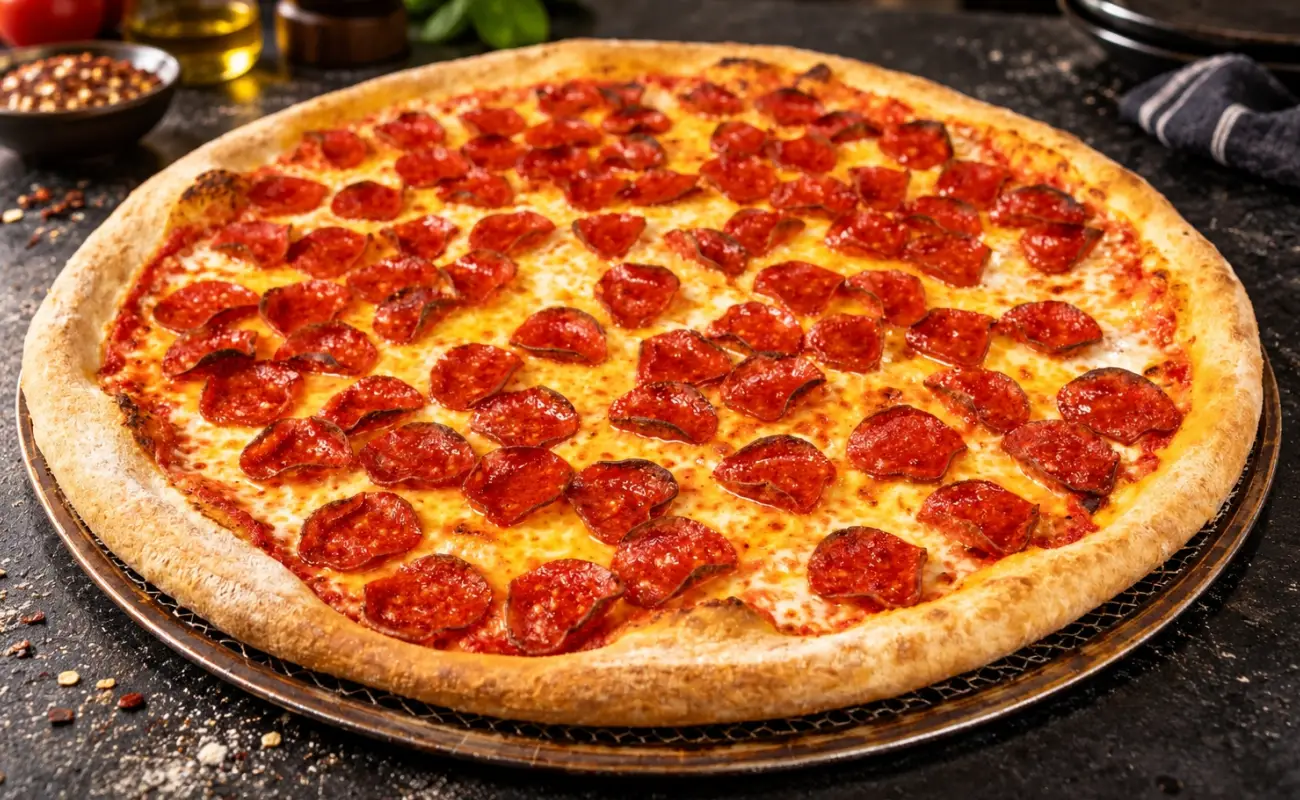
The secret to a crispy pizza crust is simple: moisture must escape, and the dough needs enough heat to develop a firm, browned exterior.
As pizza bakes, the water in the dough heats up and turns into steam. The crust gradually loses moisture, while the surface browns through reactions between sugars and proteins. This browning creates the golden color and roasted flavors associated with a well-baked crust.
However, the goal is not to remove every bit of moisture. Too much drying can make the crust hard and brittle. A great crispy crust pizza balances a dry, crisp exterior with enough moisture inside to keep each bite enjoyable.
The result? A crust that supports the sauce and toppings without becoming either floppy or cracker-dry.
Dough Matters
Before the oven does its work, the dough has already set the stage. Its hydration, thickness, and composition all influence the final pizza crust texture.
Hydration: Finding the Right Balance
Hydration refers to the amount of water in the dough relative to the flour. More water generally creates a softer, airier interior, while lower hydration can make it easier to produce a drier, crisper bite under the right baking conditions.
Neither approach automatically guarantees a better crust. The right balance depends on the style of pizza and how the dough is prepared and baked.
Thickness: Thin, Thick, or Somewhere in Between?
Thickness changes how quickly the dough heats through and loses moisture. A thinner base generally needs less time to bake and can develop a crisp texture more readily. A thicker base retains more moisture in its center and may have a softer, breadier bite.
That is why thin and crispy pizza appeals to people who enjoy a lighter base with a noticeable crunch. A well-made crispy thin pizza can deliver a satisfying contrast between its crisp edges and its toppings.
Still, thin dough alone is not enough. The dough must also be baked properly to achieve a thin crispy crust rather than a pale, soft base.
Heat Changes Everything
Think of the oven as the final decision-maker. Even well-prepared dough needs the right baking conditions to become crisp.
Higher temperatures can help the crust brown and lose surface moisture quickly. However, the ideal temperature depends on the oven, dough thickness, and pizza style. Baking time matters just as much: too little, and the base may remain pale and soft; too much, and it can become dry or burnt.
Heat also affects the toppings. The cheese needs time to melt, and the sauce must warm through without releasing so much moisture that the base loses its structure.
For home cooks chasing an extra crispy pizza, preheating the oven thoroughly and using a preheated pizza stone or steel can help transfer heat efficiently to the base. Keep an eye on the pizza as it bakes, because a small change in thickness or oven temperature can affect the result.
The takeaway? A great crispy pizza base comes from balancing heat and timing, not simply turning the oven up as high as possible.
How Toppings Can Make a Crust Soggy
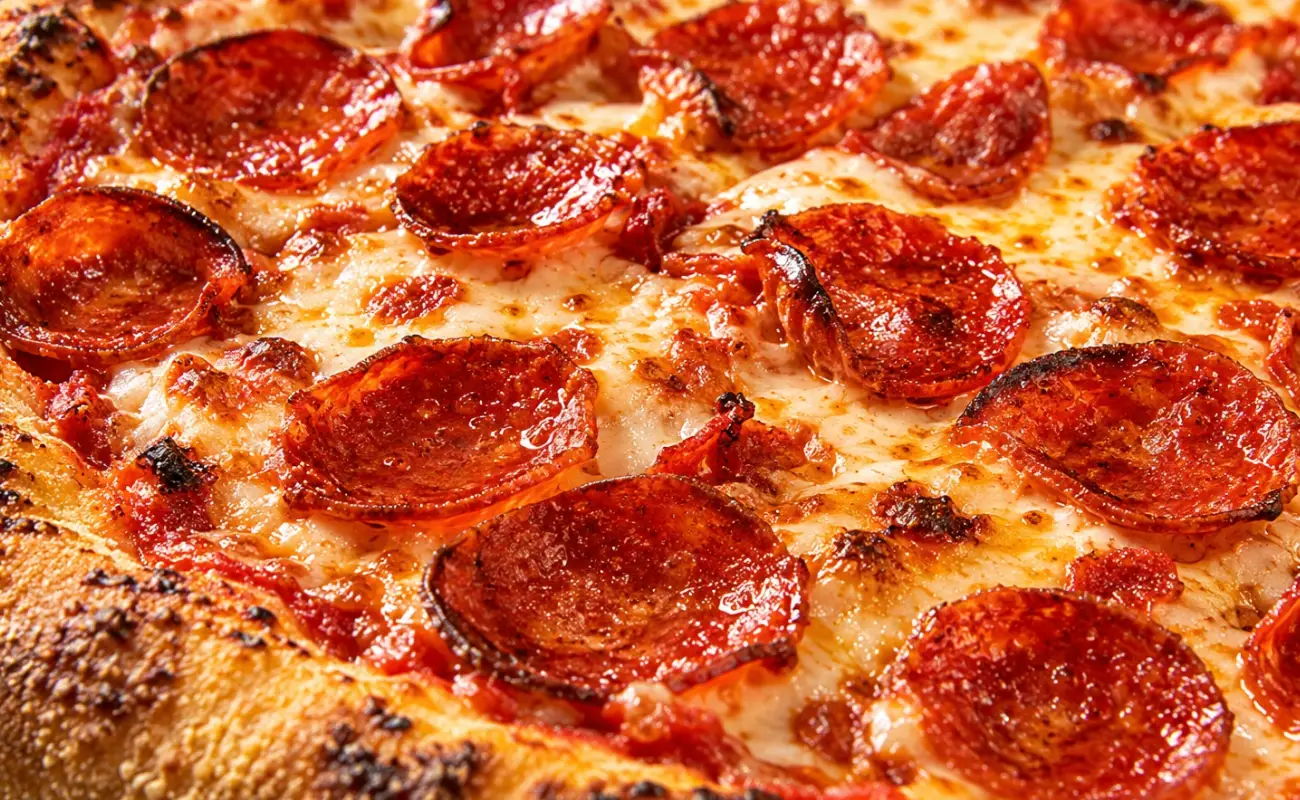
Even a beautifully prepared base can lose its crispness if the toppings introduce too much moisture.
Tomatoes, mushrooms, fresh mozzarella, and other moisture-rich ingredients can release water during baking. Meanwhile, a heavy layer of sauce adds more moisture directly onto the dough. Pile on too many toppings, and the center may struggle to bake evenly.
That does not mean you need to avoid your favorite ingredients. Instead, balance matters.
- Use sauce thoughtfully: An overly thick layer can make the center wet before the crust has time to firm up.
- Balance moisture-rich toppings: Ingredients such as mushrooms and fresh tomatoes can release water as they cook.
- Avoid overloading the pizza: Too many toppings can slow down baking and make it harder for heat to reach the base evenly.
- Give the oven time to preheat: A properly heated oven helps the crust begin baking efficiently.
These principles explain why a thin crispy pizza crust can sometimes lose its crunch beneath a generous layer of toppings. The base and toppings need to work together, not compete for the oven’s attention.
Crispy Is Not the Same as Burnt
There is a fine line between a beautifully crisp crust and one that has simply spent too long in the oven.
A crunchy pizza crust has a firm, dry exterior that breaks pleasantly when you bite into it. It may have golden-brown areas, a toasted aroma, and a tender interior. A burnt crust, on the other hand, often has excessive darkening, bitter flavors, and an unpleasantly dry texture.
Color offers a useful clue, but it is not the only measure of quality. Some pizza styles naturally develop darker spots, especially when baked at very high temperatures. What matters is whether those spots contribute a roasted flavor without overwhelming the rest of the pizza.
A successful crispy thin pizza should feel crisp without becoming tough. The goal is texture with character, not a crust that sounds impressive but makes every bite a workout.
Why the Crust Changes the Whole Pizza
The crust might sit underneath everything else, but it influences every bite. It provides structure, balances the richness of cheese, and gives the sauce and toppings a stable foundation.
A crisp base also adds contrast. The softness of melted cheese, the tang of tomato sauce, and the texture of the toppings become more noticeable against a firm crust. Without that contrast, the pizza can feel heavy or one-dimensional.
That is what makes the best thin and crispy pizza more than a matter of thickness. Its appeal comes from how the crust works with the ingredients above it.
Of course, not every pizza needs to be ultra-thin or extra crisp. Some styles are designed to be soft and airy, while others prioritize a chewy center or a thicker, bread-like base. The original crispy pizza you love might be different from someone else’s ideal slice—and that is part of the fun.
Ultimately, the best crust is the one that delivers the texture you enjoy while complementing the pizza as a whole.
Experience the Bite at Pizzawala’s
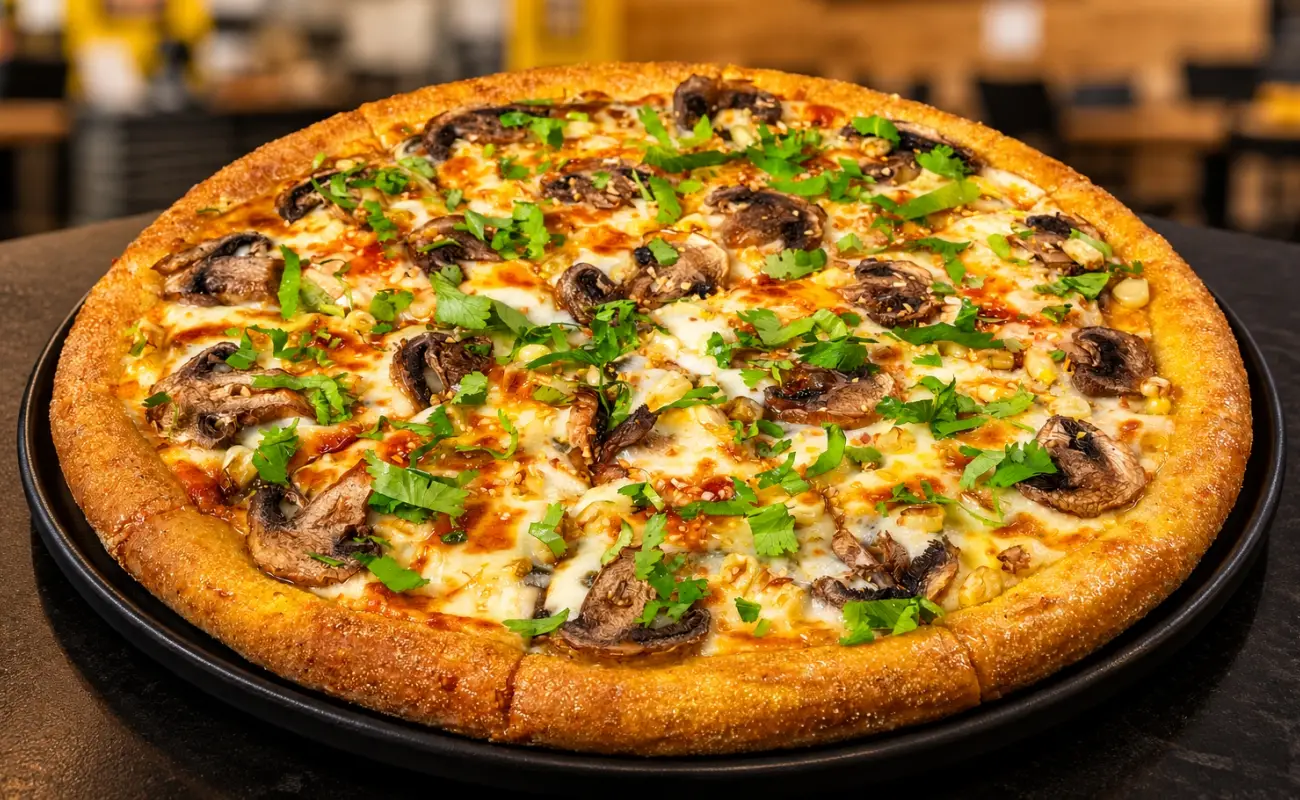
Understanding what makes a crust crisp can change the way you appreciate your next slice. You begin noticing the base beneath the cheese, the way it supports the toppings, and the contrast between a firm edge and a softer center.
At Pizzawala’s, the menu brings together a range of pizza choices for different cravings, from familiar favorites to bold flavor combinations. If you are searching for crispy pizza near me, explore the available menu and find your nearest Pizzawala’s location in Las Vegas, Columbus, Des Plaines, Canton, or Kalamazoo.
Ready to find your next favorite slice? Explore the Pizzawala’s menu, check your nearest location, and order your pizza today. Because when the crust gets the bite right, the whole pizza gets better.
FAQs
What makes pizza crust crispy?
A crispy pizza crust develops when heat drives moisture out of the dough and browns its surface. Dough thickness, hydration, oven temperature, baking time, and toppings all influence the final texture.
Why does pizza crust get soggy?
Pizza crust can become soggy when excess moisture from sauce, cheese, or toppings reaches the base. Overloading the pizza or baking it in an insufficiently heated oven can also prevent the crust from firming up properly.
Does higher heat make pizza crispier?
Higher heat can help a crust brown and crisp more quickly. However, the ideal temperature depends on the dough, oven, and pizza style. Excessive heat or baking time can burn the exterior before the inside cooks properly.
How do toppings affect crust texture?
Moisture-rich toppings can release water during baking, while heavy toppings can slow down cooking. Balancing the quantity of sauce, cheese, and other ingredients helps the crust bake more evenly.
What is the difference between crispy and crunchy pizza crust?
A crispy crust typically has a firm exterior that gives way with a light, satisfying bite. A crunchy pizza crust often suggests a more pronounced, audible crunch and a firmer texture. The terms overlap, and the difference depends on the pizza style and personal preference.
Why does pizza crust soften after cooling?
As pizza cools, moisture can move from the softer interior and toppings toward the crust’s drier areas. Moisture trapped beneath the pizza can also soften the base, reducing the crispness it had straight from the oven.
Where can I try Pizzawala’s pizza?
You can explore Pizzawala’s menu and check the nearest available location in Las Vegas, Columbus, Des Plaines, Canton, or Kalamazoo. Visit the brand’s website to browse pizza options, find location details, and place an order where available.