

The Morning-After Pizza Mystery
You open the fridge, spot last night’s pizza, and suddenly breakfast has a new contender. The crust is cold, the cheese has firmed up, and yet that leftover slice looks every bit as tempting as it did the night before. So, why does pizza taste so good the next day?
The answer comes down to a mix of texture, flavor, temperature, and personal preference. As pizza cools, its cheese firms up, its crust loses some of its heat-driven softness, and the sauce and toppings settle into a different eating experience. Some people love those changes; others prefer their pizza hot, fresh, and straight from the oven.
Whether you enjoy leftover pizza cold from the fridge or warmed until the cheese melts again, there’s more going on than simply satisfying a late-night craving.
What Changes After Pizza Cools?
Freshly baked pizza is a combination of bubbling cheese, warm sauce, a crisp or tender crust, and flavorful toppings. Once it cools, those ingredients begin to behave differently.
The cheese firms up. When melted cheese cools, its fats and proteins become firmer. The stretchy, gooey texture of a fresh slice gives way to a more solid bite. For some people, that change makes cold pizza especially satisfying.
The crust changes texture. Steam escapes as the pizza cools, while moisture can move between the crust and its toppings. Depending on the crust and how the pizza is stored, the base may become firmer, chewier, or softer in places. The leftover pizza crust can therefore feel quite different from the freshly baked version.
The sauce and toppings cool together. Tomato sauce, cheese, and toppings no longer feel as hot or fluid. Their flavors remain, but the overall experience changes as the ingredients settle to refrigerator temperature.
Fat firms up, too. The fats in cheese and meat toppings can become firmer as they cool. This affects the mouthfeel and explains why a cold slice can feel richer or more substantial than a hot one.
These changes don’t automatically make pizza better or worse. They simply create a different version of the slice you enjoyed the night before.
Why Do the Flavors Feel Different the Next Day?
Pizza doesn’t magically become more flavorful overnight. However, cooling changes how you experience its ingredients, and that can make a familiar slice taste surprisingly different.
When pizza is hot, melted cheese, warm sauce, and freshly baked crust create a soft, rich combination. As the pizza cools, the cheese firms up, the crust becomes less steamy, and the toppings develop a different texture. Each bite feels distinct from the freshly baked version.
Temperature also affects how we perceive food. Warm and cold foods can release aromas differently, influencing the way their flavors come across. Meanwhile, the contrast between tangy tomato sauce, savory cheese, and seasoned toppings remains part of the appeal.
For fans of leftover pizza, these changes can be a welcome surprise. A slice with pepperoni, for example, might feel richer and firmer when cold, while a vegetable-topped slice may offer a different balance of textures.
So, why is cold pizza so good to some people? It’s a combination of personal taste, familiar flavors, convenience, and the unique texture of a chilled slice. The experience isn’t universal, but for dedicated leftover-pizza fans, that’s part of the fun.
Cold Pizza vs. Reheated Pizza
The great leftover-pizza debate has two camps: those who eat it straight from the fridge and those who believe every slice deserves a second round of heat.
Neither side is wrong. It comes down to the texture and temperature you enjoy most.

Cold pizza
Straight from the fridge
Cold pizza offers a firmer cheese layer and a denser bite. There’s no waiting, no cooking, and no extra dishes. It’s ideal when convenience matters or when you genuinely prefer chilled pizza.
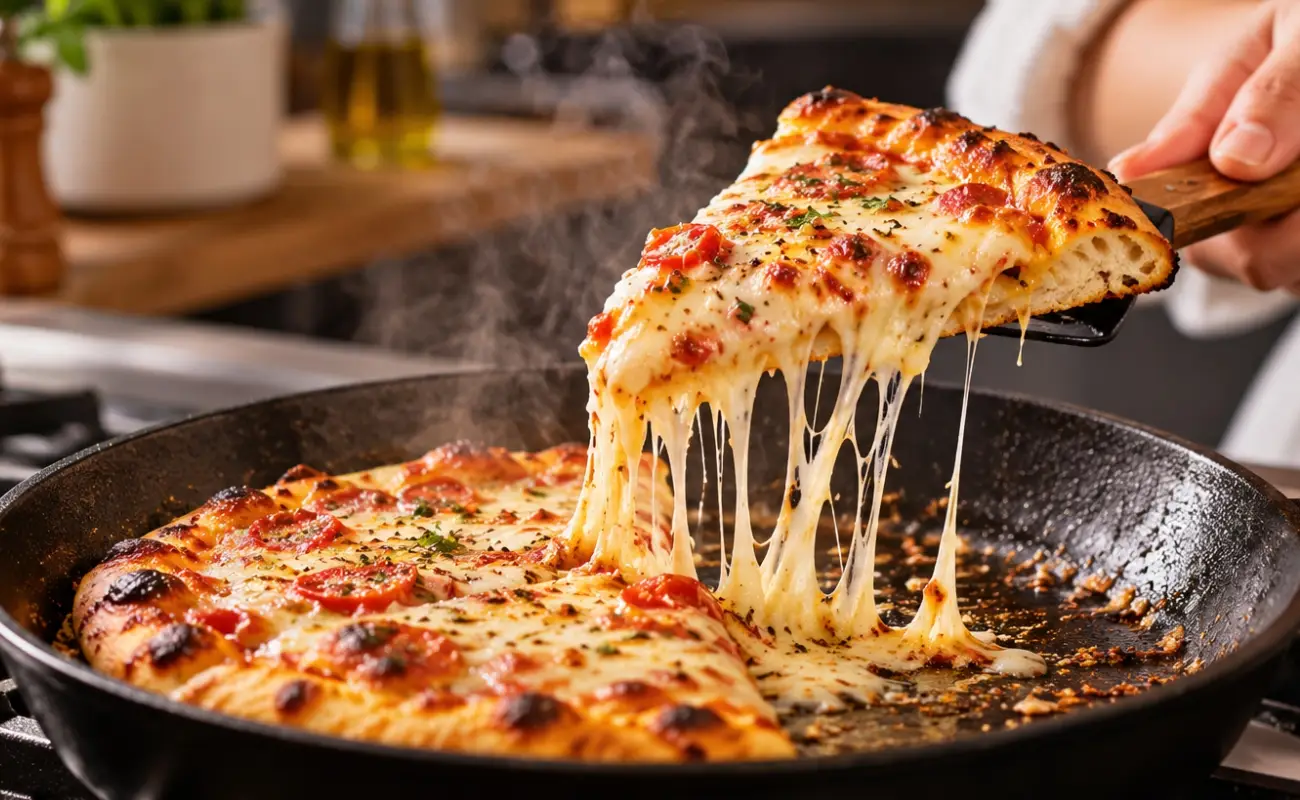
Reheated pizza
Hot and crispy again
Reheating softens the cheese and warms the toppings, bringing back some of that fresh-from-the-oven experience. Depending on your method, you can also restore a crispier crust.
If you prefer gooey cheese and a crisp base, reheating may be your winner. If you like a firmer bite and instant gratification, cold pizza might be your ideal snack.
The real question isn’t which one is objectively better. It’s which version makes you reach for another slice.
What's the Best Way to Reheat Pizza?
Want to bring yesterday’s pizza back to life? The best method depends on how much time you have and whether you prefer a crisp crust or a softer bite.
1. Use a skillet for a crispy crust
A skillet is one of the best ways to reheat pizza when you want a crisp base and warm toppings.
- Place a slice in a dry, nonstick skillet over medium-low heat.
- Cover it briefly to help the cheese warm and melt.
- Check the underside regularly to prevent burning.
- Remove the slice once the base is crisp and the toppings are thoroughly hot.
For many pizza lovers, this method delivers an excellent balance of a crispy crust and melty cheese.
2. Use the oven for multiple slices
If you’re heating up pizza for a group, the oven is a practical choice.
- Preheat the oven to around 375°F.
- Place the slices on a baking sheet.
- Heat for approximately 5–10 minutes, checking regularly.
- Make sure the center is hot before serving.
The exact timing depends on slice thickness, toppings, and your oven. Avoid leaving the pizza in too long, or the crust and cheese may dry out.
3. Use the microwave when you’re in a hurry
Sometimes, convenience wins. The microwave is useful when you need a quick snack, although it can make the crust softer or chewier.
Heat the slice in short intervals until it’s hot throughout. If crispness matters, finish it in a skillet for a short time.
5. Handle leftover pizza safely
Great reheating starts with proper storage. Don’t leave pizza sitting at room temperature for hours just because you plan to eat it later.
- Refrigerate leftovers within two hours of serving, or within one hour when temperatures exceed 90°F.
- Store slices in a covered container or tightly wrapped in the refrigerator.
- Eat refrigerated leftovers within three to four days.
- Reheat leftovers to an internal temperature of 165°F for food safety.
These are general food-safety guidelines from the USDA.
If you’re storing leftover pizza, prompt refrigeration matters more than whether you use foil, a container, or another suitable covering. Proper storage helps preserve quality while reducing food-safety risks.
And what about rewarming pizza that has been frozen? Thawing it in the refrigerator before reheating can make heating more predictable. If you’re reheating leftover frozen pizza directly from frozen, allow extra time and check that the center reaches 165°F.
Which Kind of Leftover Pizza Eater Are You?
Every pizza lover has a leftover personality. Which one sounds familiar?
The Cold-Slice Champion

You open the fridge, grab a slice, and get straight to business. No reheating, no waiting, no debate. You believe cold pizza deserves respect.
The Crispy-Crust Perfectionist
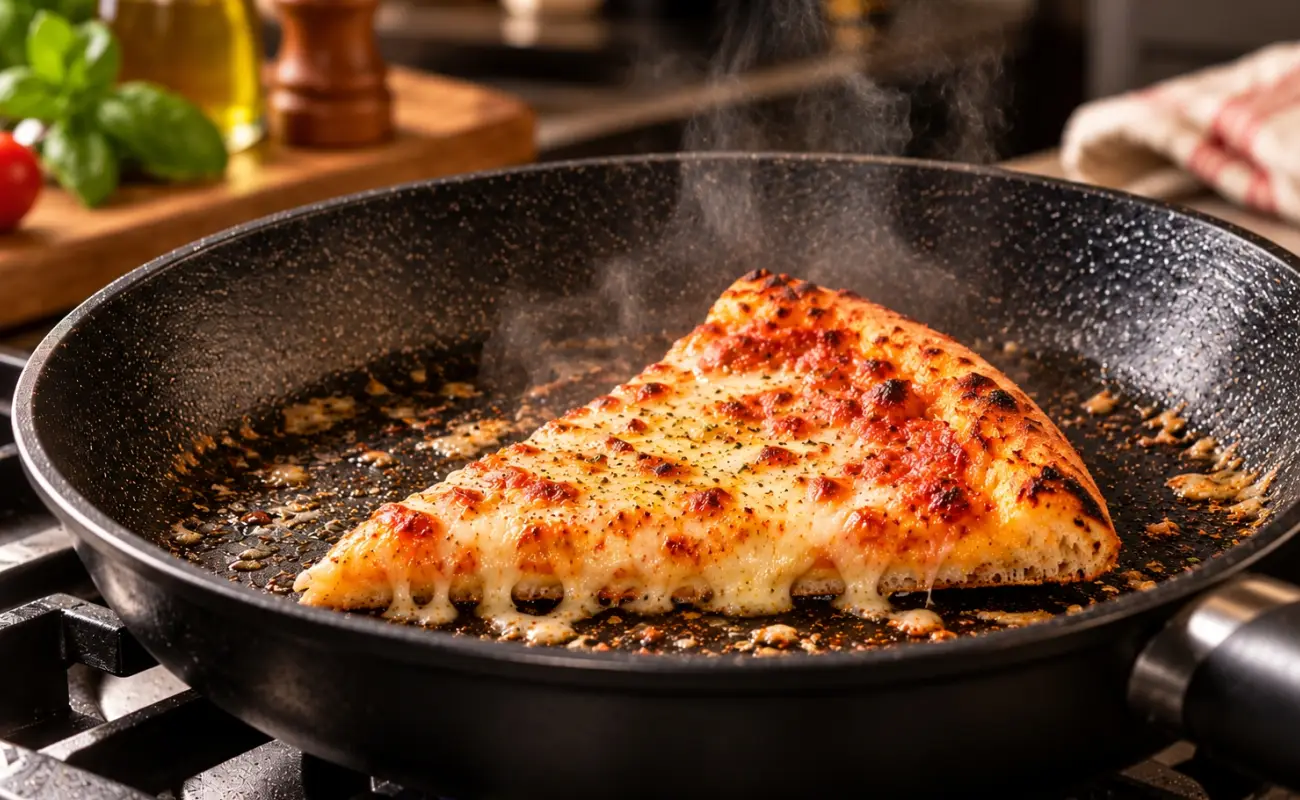
Soft crust? Not on your watch. You’re willing to spend a few extra minutes warming your slice in a skillet because that crunchy base makes all the difference.
The Microwave Sprinter
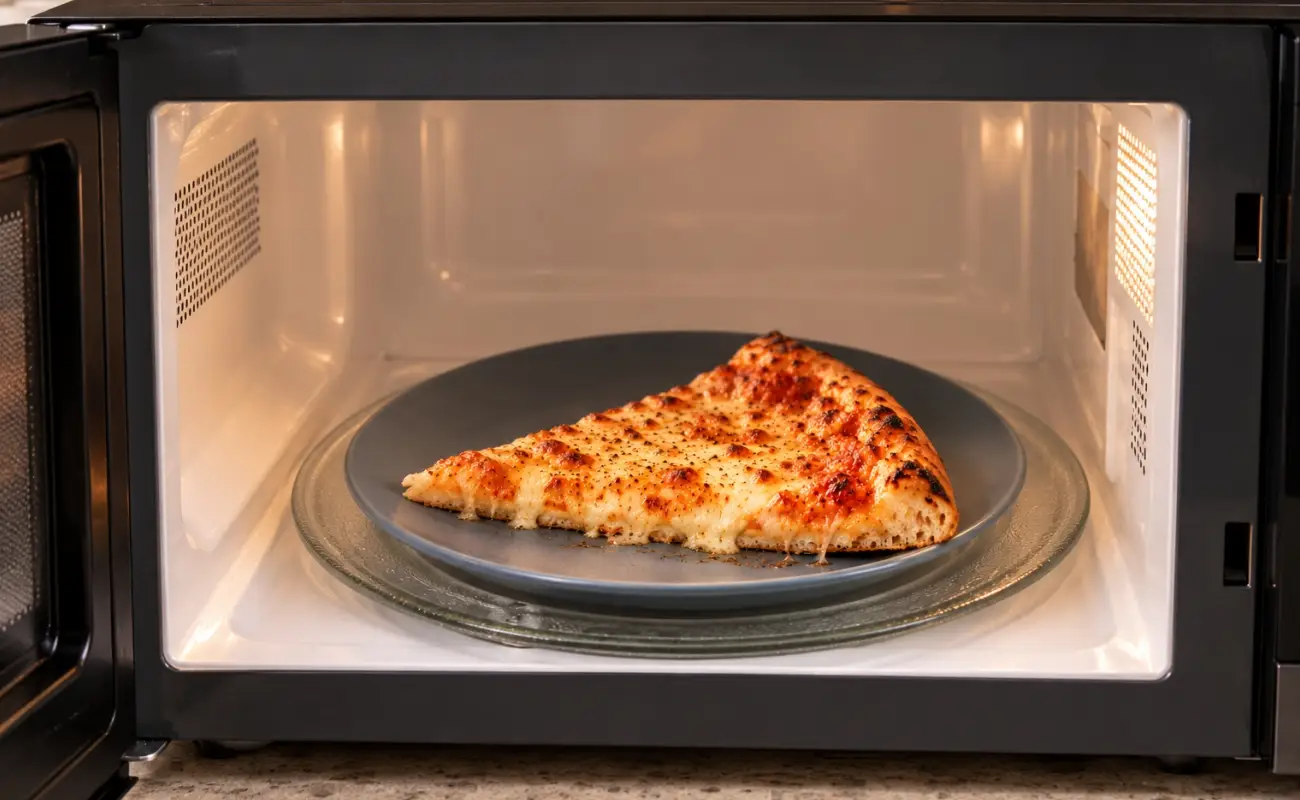
You’re hungry now. You want warm cheese, hot toppings, and minimal effort. If the microwave gets the job done, you’re happy.
The Leftover Strategist

You plan ahead. Ordering pizza means enjoying it tonight and having a ready-made snack for tomorrow. Your future self appreciates the foresight.
Of course, you might be a different kind of pizza eater depending on the day. A cold slice can be perfect after a late night, while a hot, crispy slice might be exactly what you need on a slow weekend morning.
Whatever your style, warming leftover pizza is all about getting the texture you want without drying out the slice.
Make Tonight's Pizza Tomorrow's Best Leftover
The best leftovers often start with a great pizza night. Whether you’re sharing a few slices with friends, feeding the family, or ordering a late-night meal, choosing a combination everyone enjoys makes the occasion even better.
A classic cheese pizza is a reliable crowd-pleaser. If you prefer a richer, savory bite, pepperoni is another favorite. And if your group likes variety, ordering different styles lets everyone find their perfect slice.
When choosing the best cheese for pizzas, mozzarella is a popular option because it melts well and offers a familiar, mild flavor. It’s also a common choice for the best frozen cheese pizza options, although the quality of the crust, sauce, and other ingredients matters just as much.
The key is to order enough for the occasion without forgetting food safety. If you expect leftovers, refrigerate them promptly rather than leaving the extra slices out overnight.
Turn Your Next Pizza Night Into Tomorrow's Treat

A great pizza doesn’t stop being enjoyable when dinner ends. It can become a convenient lunch, a late-night snack, or tomorrow morning’s unexpected breakfast, whether you enjoy it cold or bring it back to life with a quick reheat.
Ready to plan your next pizza night? Explore pizzawalas.com and find your nearest participating location. Choose your favorite pizza, order for tonight’s gathering, and you might just have a delicious plan for tomorrow, too.
FAQs
Why does leftover pizza taste good?
Leftover pizza offers a different combination of textures and temperatures. As it cools, the cheese firms up, the crust changes texture, and the toppings settle. These changes can make the pizza especially enjoyable for people who prefer a cold, firmer slice.
Is pizza better the next day?
It depends on personal preference. Some people enjoy the firmer texture and convenience of cold pizza, while others prefer the soft cheese and crisp crust of a freshly baked or reheated slice.
Why does cold pizza taste different?
Cooling changes the texture of cheese, crust, and toppings. Temperature also influences how food aromas and flavors are perceived, so a chilled slice can offer a noticeably different experience from hot pizza.
What is the best way to reheat pizza?
A skillet works well for a crispy base, while an oven is useful for reheating several slices. The microwave is the fastest option but may soften the crust. Whichever method you choose, heat the pizza to 165°F internally.
How should leftover pizza be stored?
Refrigerate pizza within two hours of serving, or within one hour in temperatures above 90°F. Keep it covered in the refrigerator and consume it within three to four days. Don’t leave pizza at room temperature overnight.
Does reheating change pizza texture?
Yes. Reheating softens the cheese and warms the toppings. A skillet or oven can also restore some crispness to the crust, while microwave reheating tends to produce a softer texture.
Where can I order Pizzawala's for pizza night?
Visit the pizzawalas.com to explore the menu and to check participating stores in Las Vegas, Columbus, Des Plaines, Canton, and Kalamazoo. Local menu items, ordering options, and delivery availability may vary.