

The Science Behind That Perfect Cheese Pull
You lift a hot slice of pizza, and suddenly, the cheese refuses to let go. Long, stretchy strands connect your slice to the rest of the pie, creating the kind of cheese pull that makes everyone reach for a camera before taking a bite.
But why does mozzarella stretch instead of simply melting into a puddle? The secret lies in its milk proteins, moisture, fat, and the way they respond to heat. When mozzarella has the right composition and melts under the right conditions, its protein structure can extend into those familiar, delicious strands.
That is also why not every cheese behaves the same way. Some melt smoothly, some turn creamy, and others create the long stretch that makes mozzarella cheese on pizza so appealing. Let’s break down the science behind one of pizza’s most satisfying moments.
What Makes Mozzarella Stretch?
Mozzarella owes its stretch to a network of milk proteins called casein. During cheesemaking, these proteins form a structure that holds fat and moisture. When mozzarella is made using a stretching process, its protein structure becomes aligned in a way that helps it stretch when heated.
As the cheese warms on a pizza, several things happen:
- Proteins become flexible: Heat softens the cheese’s protein network, allowing it to extend instead of breaking apart immediately.
- Moisture helps the cheese soften: Water within the cheese supports its texture and helps it melt. Too little or too much moisture, however, can change the final result.
- Fat contributes to a smooth texture: As mozzarella warms, its fat softens and melts, helping create a rich, cohesive layer of cheese.
- Temperature brings everything together: The cheese needs enough heat to soften and stretch. If it gets too hot for too long, its texture can change, and the ideal cheese pull may disappear.
The result is a balance of structure and softness. The proteins give mozzarella its stretching ability, while moisture, fat, and heat influence how that stretch looks and feels.
This combination helps explain why mozzarella is often considered the best cheese for pizza. It can melt into a cohesive layer while creating those long strands that make a freshly baked slice so tempting.
Melt vs. Stretch — They’re Not the Same Thing
A cheese can melt beautifully without creating an impressive cheese pull. That’s because melting and stretching are two different properties.
Melting happens when heat softens the cheese enough for it to flow and spread. Stretching depends on whether the cheese’s protein structure can extend while remaining connected.
For example, some soft cheeses melt into a creamy layer but break apart easily when pulled. Mozzarella, when made and heated under suitable conditions, can soften while maintaining enough structure to form long strands.
That distinction matters when choosing the best cheese on a pizza. You want cheese that melts evenly, complements the other ingredients, and delivers the texture you enjoy.
Here’s a simple comparison:
| Cheese characteristic | What it does on pizza |
|---|---|
| Good melting ability | Helps the cheese soften and spread |
| Stretchable protein structure | Creates strands when a slice is lifted |
| Balanced moisture | Influences softness and how evenly the cheese melts |
| Suitable fat content | Contributes richness and texture |
So, the best cheese for cheese pizza isn’t necessarily the cheese that melts the fastest. It’s the one that delivers the right combination of flavor, melt, texture, and stretch.
Why Does Some Mozzarella Stretch More Than Others?
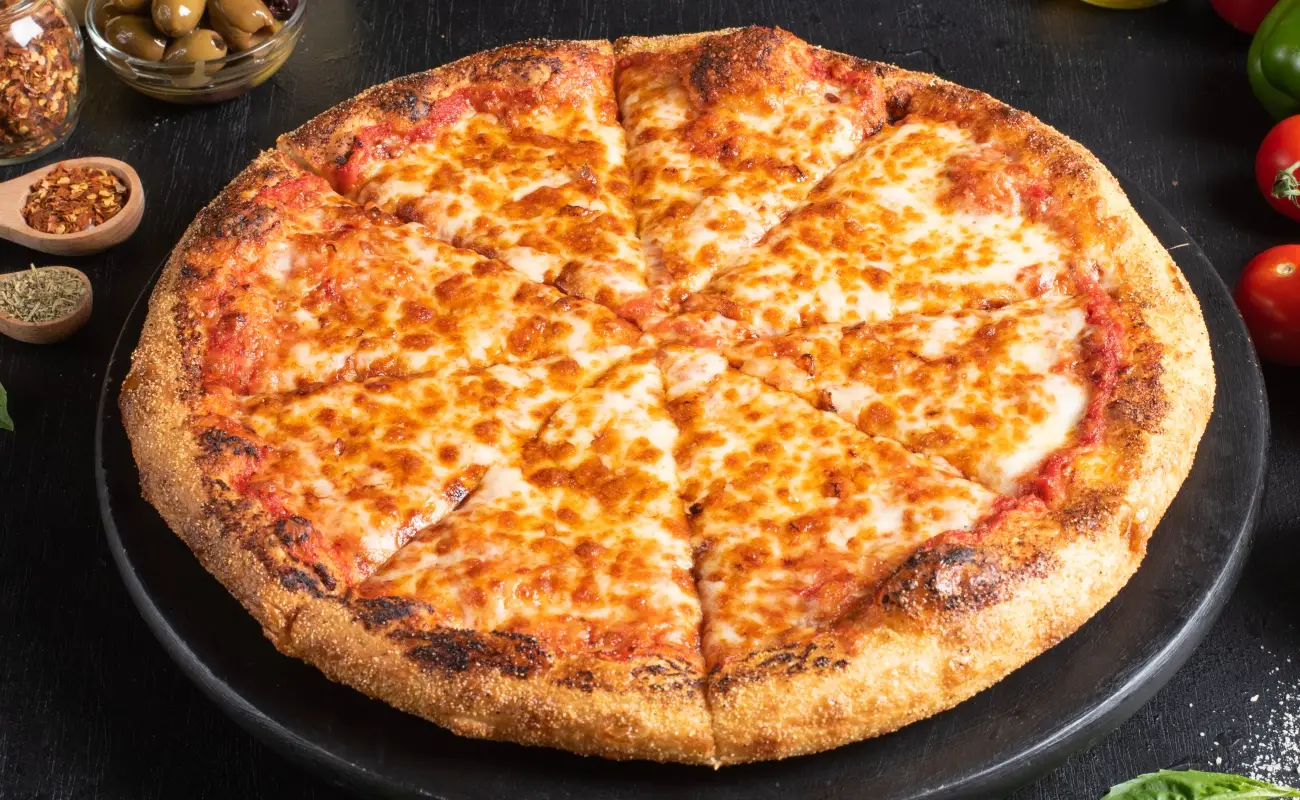
Not all mozzarella behaves identically. Even two mozzarella cheeses can produce different results because their moisture levels, composition, and preparation vary.
Moisture level makes a difference
Fresh mozzarella contains more moisture than low-moisture mozzarella. Fresh mozzarella can create a soft, delicate melt, but its extra water may release onto the pizza during baking.
Low moisture mozzarella cheese for pizza generally works well in commercial pizza applications because it provides a more controlled melt and can produce a satisfying stretch without introducing as much extra moisture.
However, low-moisture mozzarella isn’t automatically superior for every pizza style. The right choice depends on the crust, oven temperature, baking time, and desired texture.
Composition influences the melt
The balance of proteins, fat, and moisture affects how cheese responds to heat. Different manufacturing methods also influence the final structure, which is why one mozzarella may stretch into long strands while another breaks more easily.
Temperature matters
Mozzarella needs enough heat to soften and stretch. If it hasn’t heated sufficiently, it may remain firm. If it stays under intense heat for too long, its texture can become tougher, and its fat may separate.
Handling matters, too
Cheese that has been stored improperly or exposed to unsuitable temperatures may not perform as expected. For consistent results, pizzerias need to consider ingredient quality, storage, portioning, and baking technique together.
When people ask for the best mozzarella cheese for pizza, they’re often looking for a cheese that balances stretch, flavor, browning, and moisture. The ideal option depends on how the pizza will be prepared and served.
Why Can Pizza Cheese Turn Oily or Rubbery?
A perfect cheese pull is all about balance. Push the cheese too far, and that satisfying stretch can turn into an oily surface or a chewy, rubbery bite.
Why does this happen? When cheese gets too hot or stays in the oven too long, its protein structure can tighten and squeeze out moisture and fat. The fat may separate instead of remaining evenly incorporated into the melted cheese.
A few factors can contribute:
- Excessive heat or baking time: Overheating can make the cheese tough and encourage fat separation.
- The wrong cheese for the application: Some cheeses melt more smoothly than others, depending on their composition.
- Too much cheese: A heavy layer may not heat evenly, leaving some areas overly melted while others remain undercooked.
- Poor moisture balance: Too much moisture can affect the pizza base, while too little can produce a less tender texture.
The solution isn’t simply to add more cheese. It’s to choose the right cheese to use for pizza, apply it in a balanced amount, and bake it properly.
Mozzarella remains a popular choice because it can deliver a mild flavor, appealing melt, and satisfying stretch when the conditions are right.
What Makes a Great Cheese Pull on Pizza?
A great cheese pull doesn’t happen because of mozzarella alone. It takes the right cheese, the right temperature, and a pizza that has been baked with care.
Here are the key ingredients for that picture-perfect moment.
Choose the right cheese. Mozzarella is a dependable starting point because of its stretching properties. Depending on the desired flavor, other cheeses can complement it.
Bake at the right temperature. The cheese needs enough heat to melt thoroughly without becoming overheated or excessively oily.
Keep the toppings balanced. Too many wet toppings can affect the crust and the way the cheese cooks. A well-balanced pizza lets every ingredient contribute without overwhelming the others.
Serve it while it’s hot. As pizza cools, the melted cheese firms up. A freshly baked slice is more likely to deliver that familiar stretch.
Consider cheese blends. Some recipes combine mozzarella with other cheeses to add sharper flavor, extra richness, or a different browning effect. Exploring different types of cheese for pizza can help you understand how each variety contributes to the final result.
Ultimately, the best cheese for pizza topping depends on the experience you want. If stretch is the priority, mozzarella is a strong choice. If you’re after a more complex flavor, a carefully balanced blend may be worth trying.
The Cheese Experience at Pizzawala’s
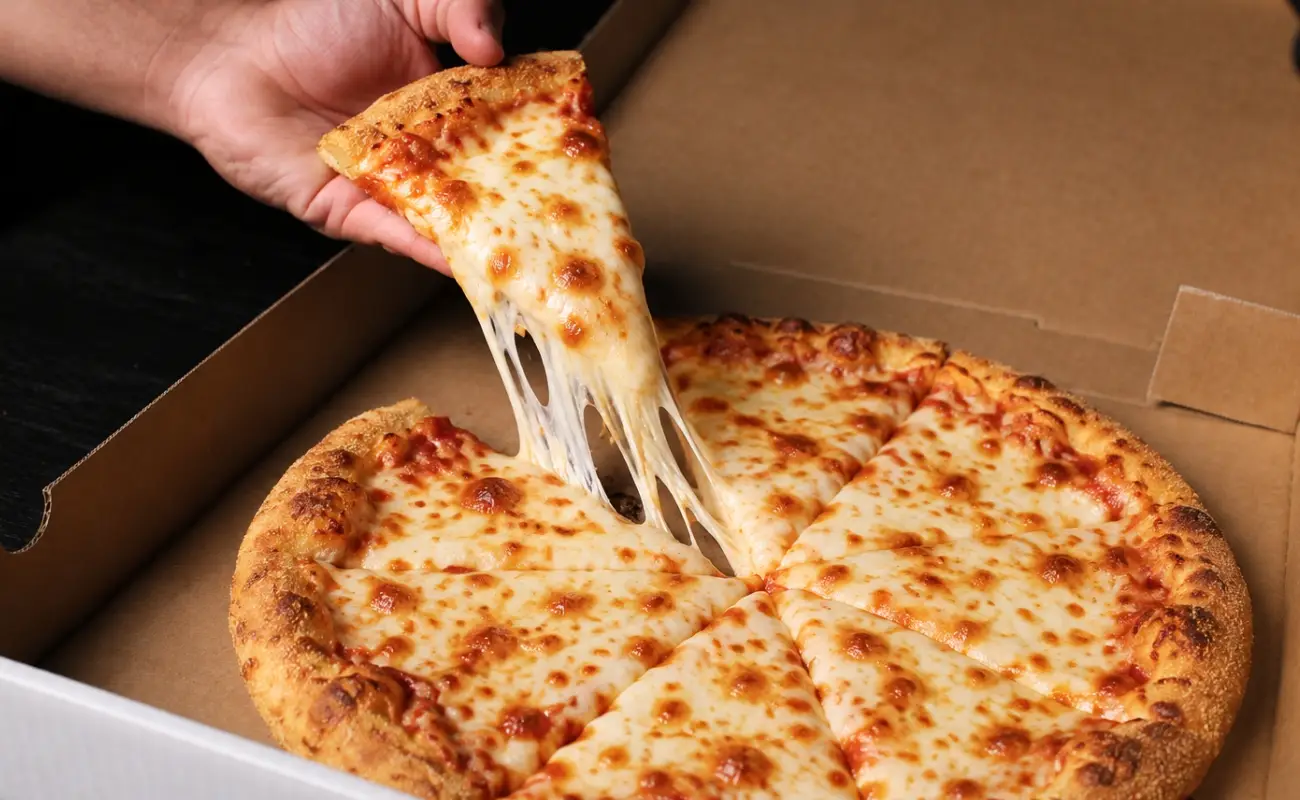
After all this talk about melting, stretching, and cheese chemistry, there’s one obvious next step: enjoy a slice for yourself.
Pizzawala’s menu features classic pizza options alongside its more adventurous flavors. All pizzas are specifically 100% mozzarella cheese among its ingredients and highlights a full melt and rich pull.
If you’d rather keep the focus entirely on cheese, Pizzawala’s also has a classic True (Cheese) option in its menu lineup.
Explore pizzawalas.com to discover available pizzas and choose the option that suits your craving. For anyone searching for the best cheese pizza near me or the best cheesy pizza near me, the next step is to check your nearest participating location and confirm its current menu.
Hungry after all that science? Explore Pizzawala’s pizzas, find your closest store on pizzawalas.com , and order a freshly baked pizza. Because understanding the perfect cheese pull is fun, but enjoying one is even better.
FAQs
Why does mozzarella cheese stretch?
Mozzarella stretches because its casein proteins form a structure that can soften and extend when heated. Its moisture, fat content, and preparation also affect how long and smoothly the cheese stretches.
Why is mozzarella used on pizza?
Mozzarella has a relatively mild flavor, melts well, and can create a stretchy texture. It complements tomato sauce and a range of toppings without overpowering them, making it a popular choice for many pizza styles.
What makes a good cheese pull?
A good cheese pull requires cheese with a stretchable protein structure, sufficient heat, and the right balance of moisture and fat. Mozzarella often performs well when the pizza is baked properly and served hot.
Why does some cheese not stretch?
Some cheeses have protein structures or moisture levels that make them more likely to crumble, break, or melt into a creamy layer rather than form long strands. The type of cheese, its composition, and how it is heated all influence the result.
Does low-moisture mozzarella stretch differently?
Yes. Low-moisture mozzarella generally releases less water during baking than fresh mozzarella and is widely used for its controlled melt. Its stretch still depends on the cheese’s composition, temperature, and baking conditions.
Why can pizza cheese become oily?
Pizza cheese can become oily when excessive heat causes fat to separate from its protein structure. Overbaking, an unsuitable cheese, or an unbalanced amount of cheese can contribute to the problem.
Where can I order a cheesy pizza from Pizzawala’s?
Visit pizzawalas.com to explore the menu and to find a participating restaurant. Check your local menu for available cheese pizzas, ordering options, and delivery availability.