
A Global Crust with Local Flavor
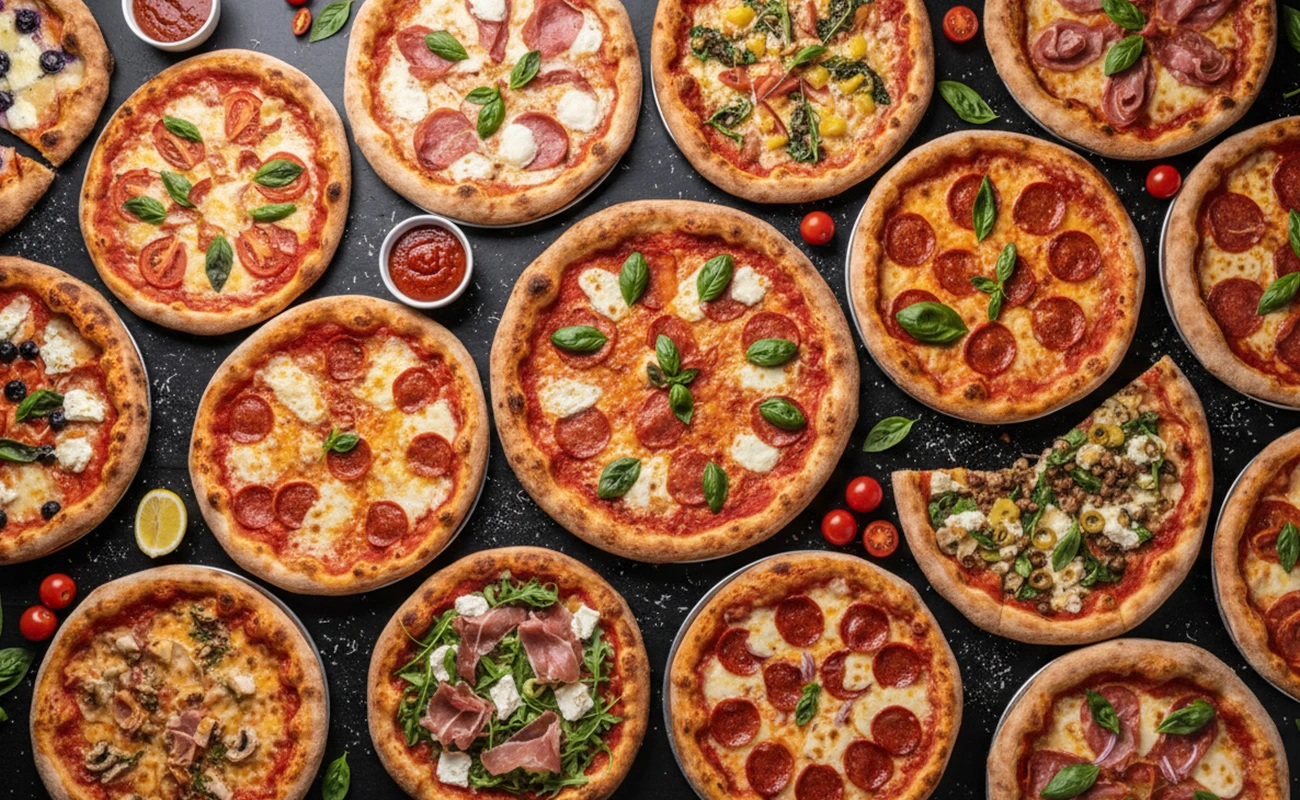
Pizza is more than dough, sauce, and cheese. It’s a passport. No matter where you take a bite, pizza has a way of soaking up the flavors, traditions, and quirks of the community it’s baked in. Across continents, pizza transforms into something entirely new, yet always comfortingly familiar. This blog explores how different cultures reinvent pizza, creating an endless feast of regional pizza traditions that reflect identity, flavor, and history.
Why Pizza Adapts So Easily Across Cultures
Pizza thrives on adaptability. Its foundation is simple: bread, toppings, heat. That blank canvas makes it easy for cultures to layer on their own tastes, from spices and proteins to preparation methods. This adaptability explains why cultural traditions differ so widely yet retain a shared heart. Pizza has become a story each culture tells in its own language of flavor.
The Italian Roots of Pizza
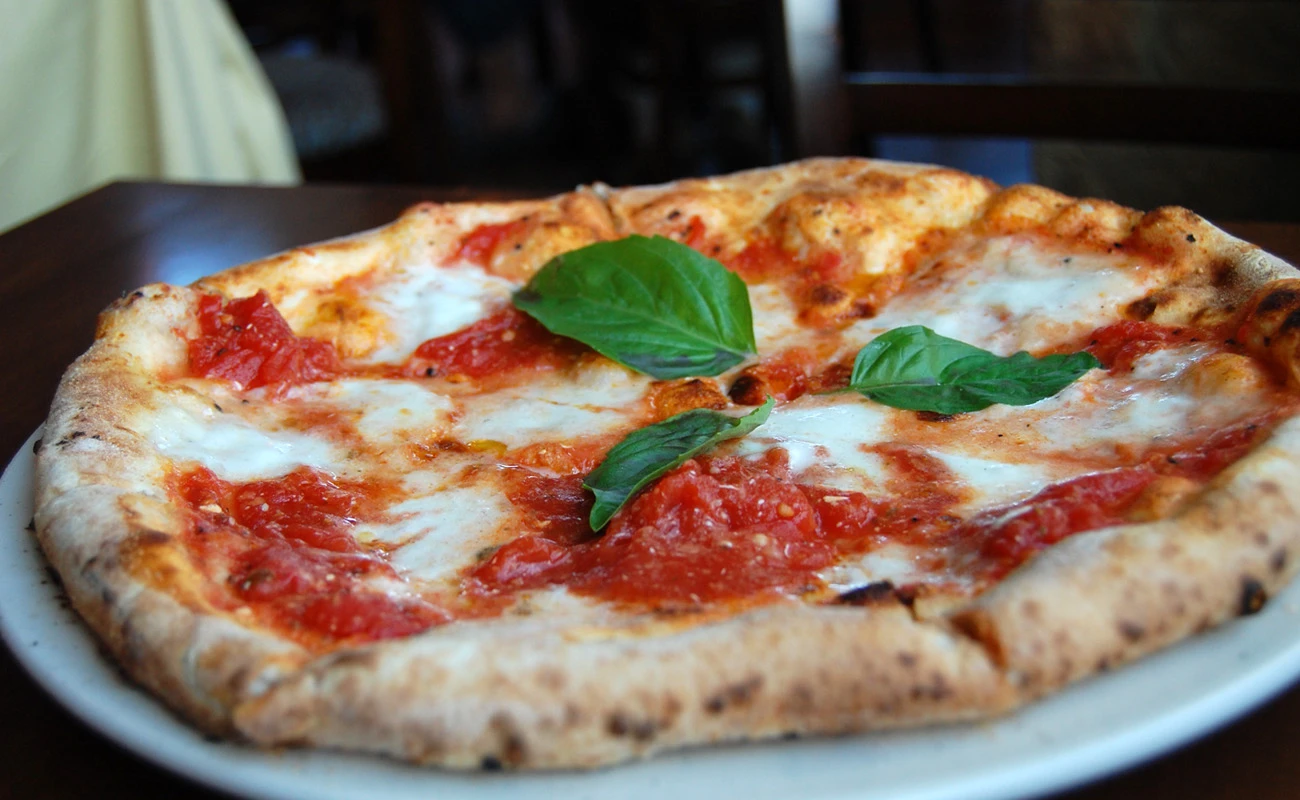
Everything begins in Naples, Italy. The classic Margherita, basil, mozzarella, tomato, remains the benchmark for authenticity. The Italians emphasize freshness, simplicity, and regional pride. In Italy, pizza is less about indulgence and more about honoring tradition. This is where cultural pizza started its journey.
American Innovations
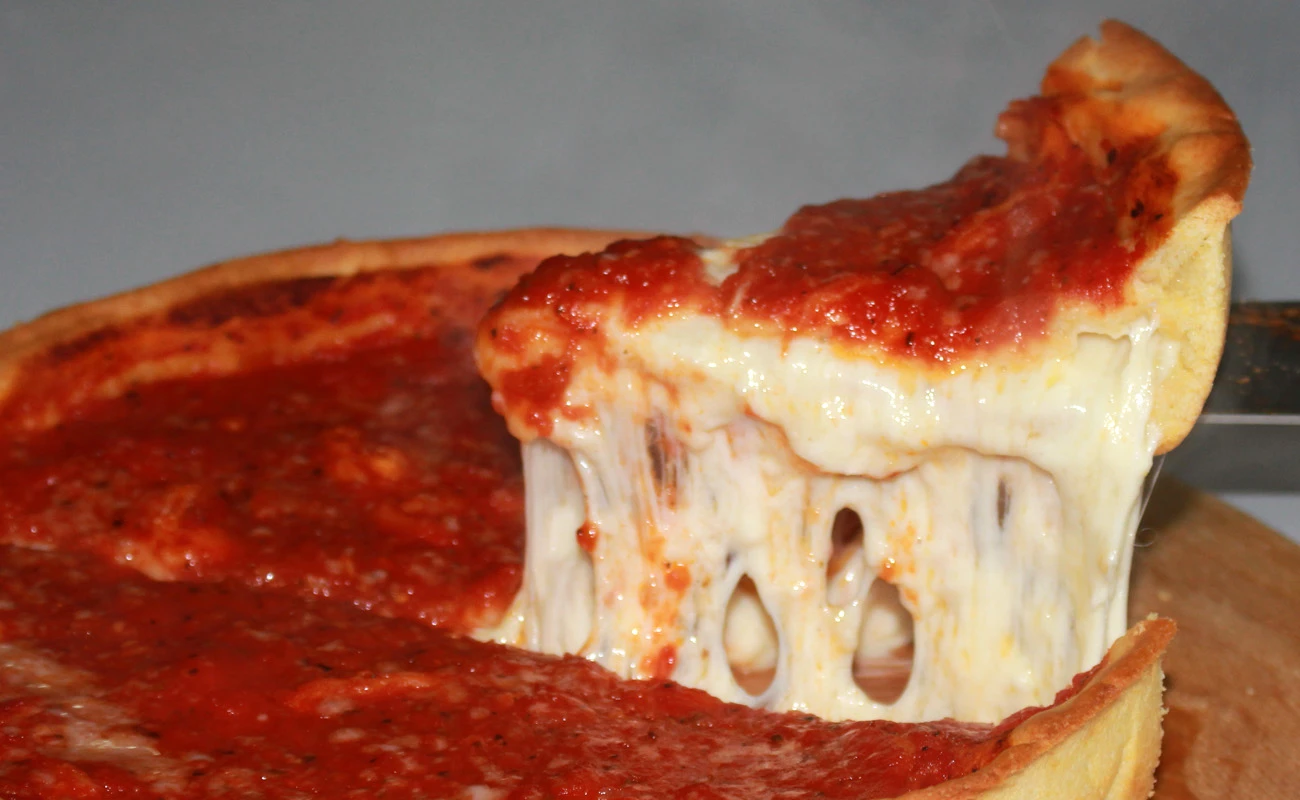
Fast forward to the United States, where pizza became bolder, bigger, and unapologetically experimental. Chicago deep-dish piled it high. New York made it foldable. California introduced gourmet toppings like arugula and goat cheese. The American approach turned pizza into an icon of creativity, showing the world how far regional pizza could go.
Latin American Twists
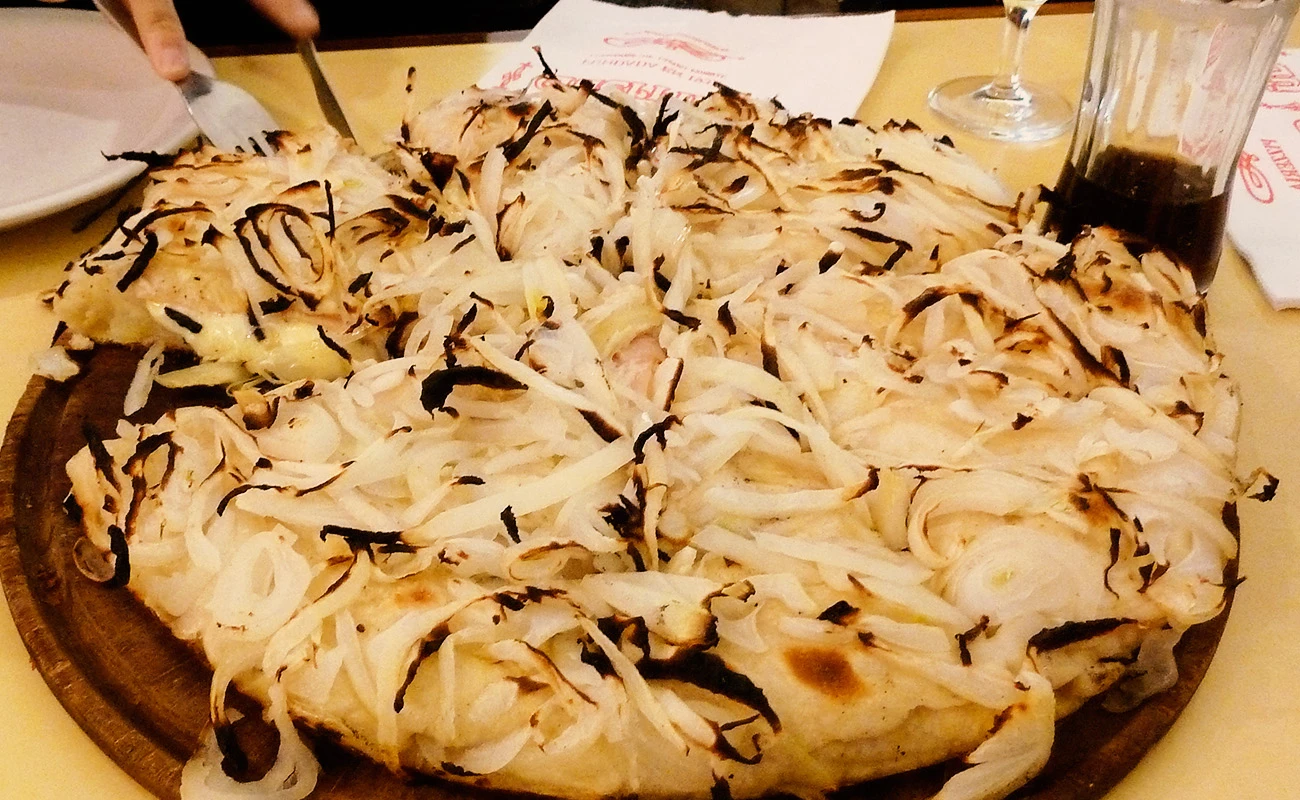
Travel south, and pizza takes on vibrant flair. In Brazil, green peas and hard-boiled eggs are popular toppings. Argentina is known for “fugazzeta,” a cheese-stuffed crust topped with caramelized onions. Mexico often layers its pizzas with chorizo and jalapeños, adding heat to the familiar crust. These Latin American pizzas prove how communities reinvent pizza to match their bold local palettes.
Latin American Twists
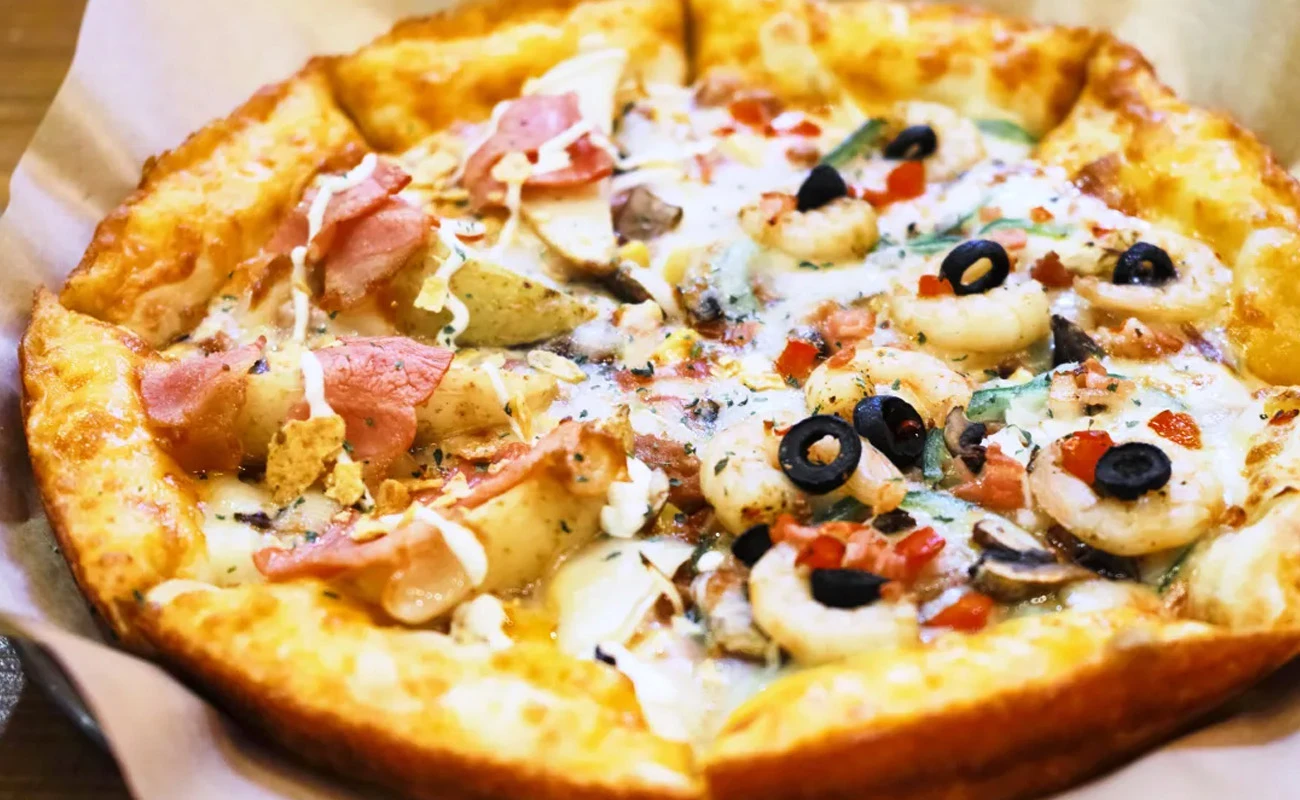
Asia has embraced pizza like an old friend but dressed it up with unique flavors. In Japan, mayonnaise, squid, and teriyaki chicken are common toppings. South Korea introduced sweet potato crusts and bulgogi beef. India is famous for fusion pizza, where paneer tikka or butter chicken replaces pepperoni. Here, pizza adapts by blending spice, tradition, and a love for hearty flavors.
Middle Eastern & Mediterranean Styles
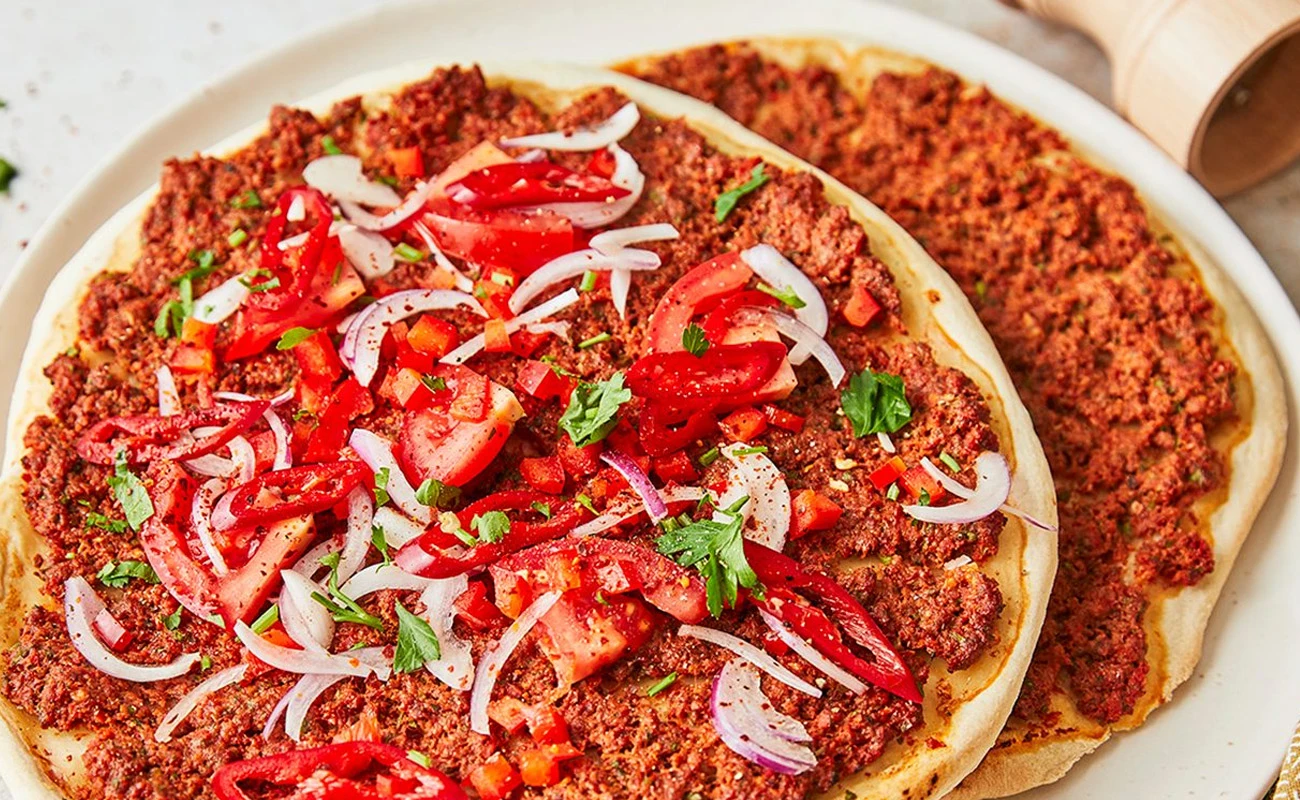
Head to the Middle East, and you’ll find lahmacun, often called “Turkish pizza.” It’s thin, crisp, and topped with minced meat, herbs, and spices. In Greece, pita bread serves as the base, often with feta, olives, and oregano. Across the Mediterranean, pizza isn’t just a dish; it’s a reflection of ancient foodways, turning it into a bridge between old and new.
European Variations Beyond Italy
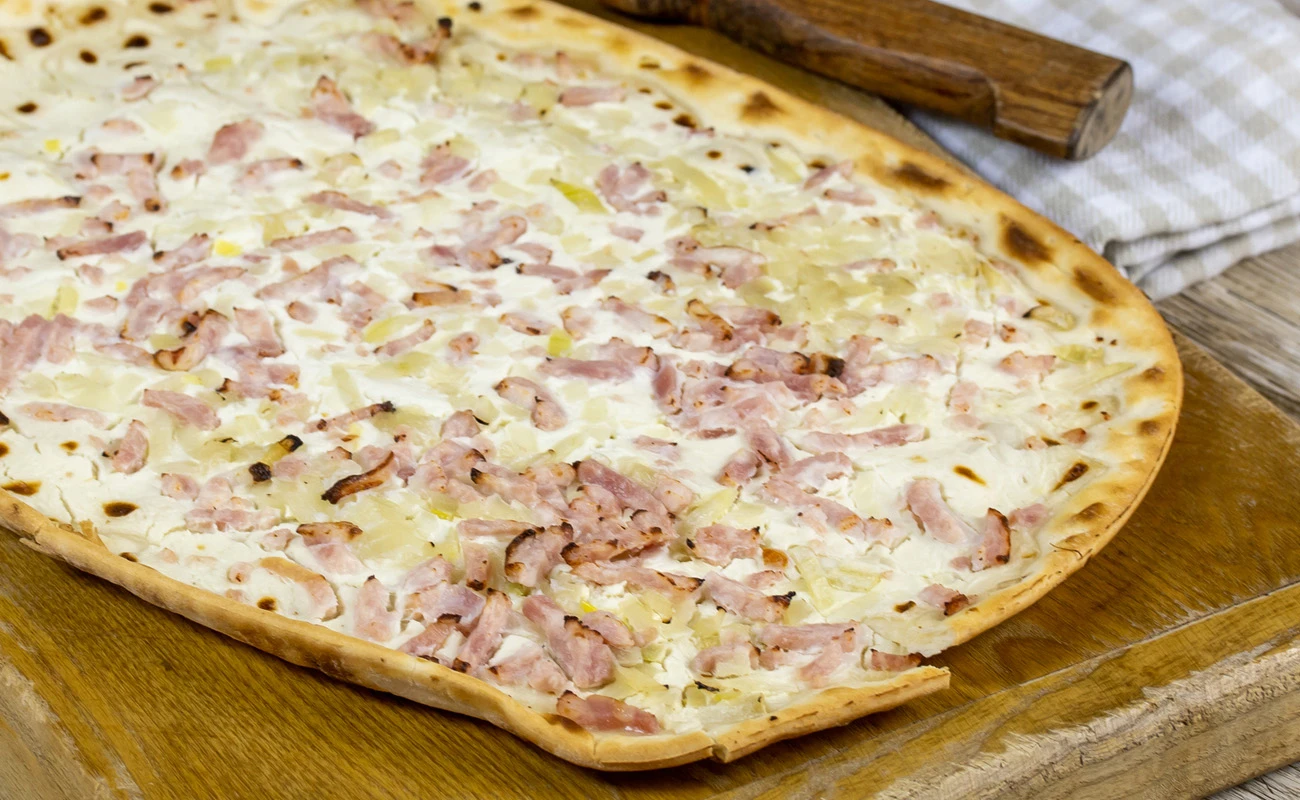
Even in Europe, pizza traditions stretch beyond Naples. In France, “flammekueche” combines cream, onions, and bacon on a crisp crust. Germany adds sausages and sauerkraut for local flair. Each country takes the Italian base and reimagines it through its own pizza cultural lens. The result? A continent full of creative pies that celebrate regional pride.
Fusion & Modern Global Pizzas
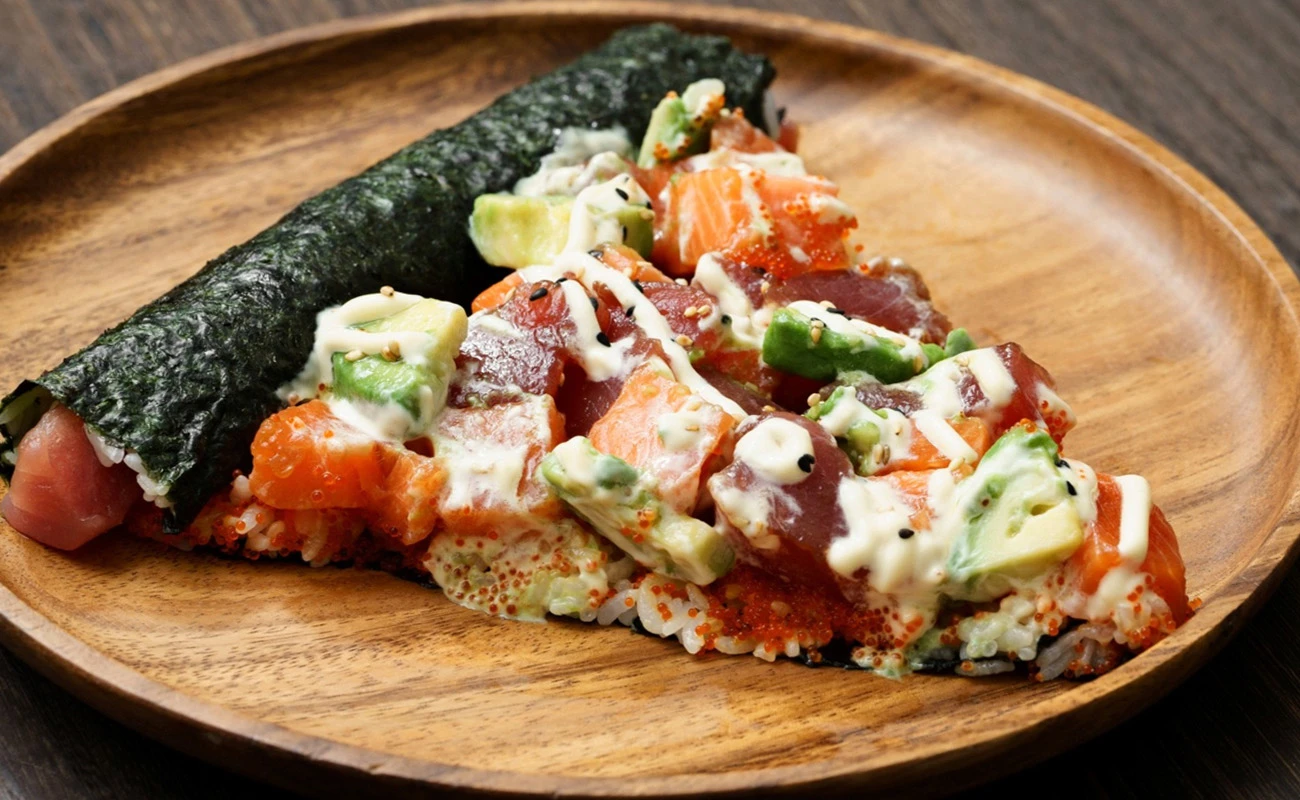
Today, fusion is where the magic happens. Sushi pizza in Canada, butter chicken pizza in India, and kimchi-topped pizza in Korea are all proof that this dish never stops evolving. Fusion pizza celebrates experimentation while respecting tradition. In a way, modern pizza reflects our increasingly interconnected world, a little bit of everywhere, baked into one crust.
Where Flavor Meets Culture
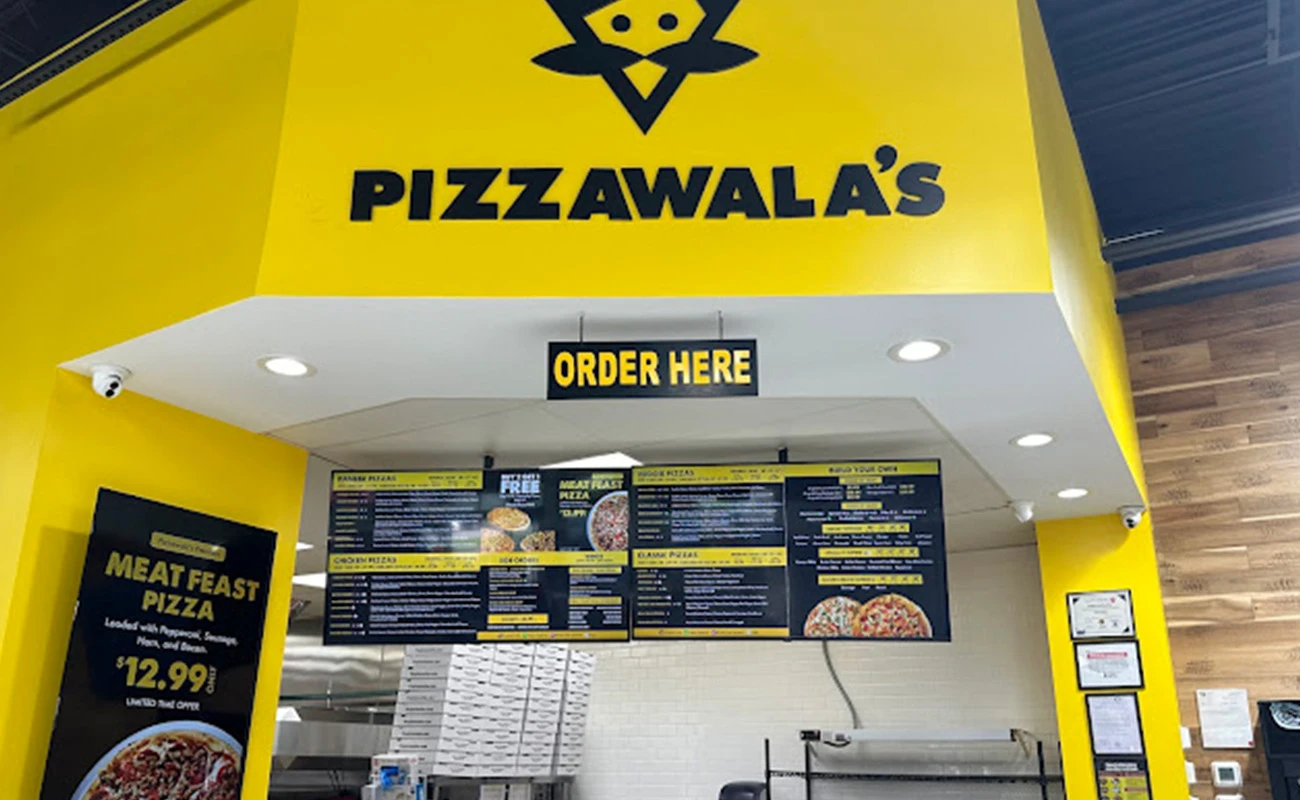
From Naples to New York, São Paulo to Seoul, pizza proves that food has no borders. Each culture takes this beloved dish and reimagines it, creating traditions that are as diverse as they are delicious. At Pizzawala’s, we celebrate this global spirit by crafting bold, flavorful pizzas that embrace both tradition and reinvention. After all, pizza isn’t just food, it’s culture, connection, and creativity baked into every slice.
FAQs
How do you decorate a pizza for Halloween?
Use toppings like olives, mozzarella strips, and bell peppers to create spooky faces, webs, and mummy wraps.
What is the traditional pizza of Italy?
The Margherita, topped with tomato, mozzarella, and basil.
How is American pizza different from Italian pizza?
American pizza is larger, cheesier, and often indulgent, while Italian pizza is simpler and ingredient-focused.
What are some unique pizza traditions in Latin America?
Argentina’s fugazzeta, Brazil’s pea and egg toppings, and Mexico’s spicy chorizo pizzas.
What toppings are popular on pizza in India?
Paneer tikka, butter chicken, tandoori vegetables, and spicy masalas.
How is pizza made in Japan and Korea?
Japan uses toppings like squid and mayo, while Korea favors bulgogi and sweet potato crusts.
What is Turkish pizza called?
It’s called lahmacun, thin dough topped with minced meat, spices, and herbs.
How do Mediterranean countries put their twist on pizza?
With ingredients like feta, olives, oregano, and olive oil on pita or flatbread bases.
What are the most unusual pizza toppings around the world?
Green peas in Brazil, squid in Japan, and kimchi in Korea top the list.
Why does pizza adapt so well to different cultures?
Because it’s a flexible base that welcomes diverse toppings and flavors.
Which country has the most unique pizza traditions?
Each country’s pizza reflects its culture, but Japan and India stand out for creativity.
What are fusion pizzas and where did they start?
Fusion pizzas combine multiple cuisines and have gained popularity in globalized cities like New York and London.
How is pizza eaten differently around the world?
In Italy, with a knife and fork; in New York, folded in hand; in Korea, often with sweet sauces.
What role does culture play in shaping pizza flavors?
Culture dictates available ingredients, flavor preferences, and cooking styles.
Is pizza the same in every country?
No, pizza changes everywhere, reflecting local traditions while retaining universal appeal.